Foundation Issues After the Inspection: What Sellers Need to Do
Sellers and agents ask about “Foundation Issues Closing” all the time. Here are straight answers.
Foundation issues are one of the findings that scare people most on a DFW inspection report. When the repair amendment lands with a foundation item on it, the closing date suddenly feels shaky. Most foundation items can be scoped, priced, and handled. The sellers who lose time are the ones who wait.
This guide covers what inspectors usually write up, what it means for your repair amendment, and how to get it moving before closing day.
Why Foundation Findings Are Common in North Texas
Much of DFW sits on expansive clay soil. It swells when it is wet and shrinks when it is dry. After a hot summer or a wet spring, that movement shows up as cracks, sticking doors, and uneven floors. Inspectors see it all the time, so a foundation note on a report does not always mean something is badly wrong. It does mean someone has to look at it.

What Inspectors Usually Flag
Related reading: Avoid Costly Closing Delays.
- Cracks in the slab, brick veneer, or drywall, especially stair-step cracks
- Doors and windows that stick or no longer latch
- Gaps between walls and the ceiling or floor
- Drainage that sends water toward the foundation
- Grading or plumbing signs that point to settlement
Cosmetic Movement vs. Structural Concern
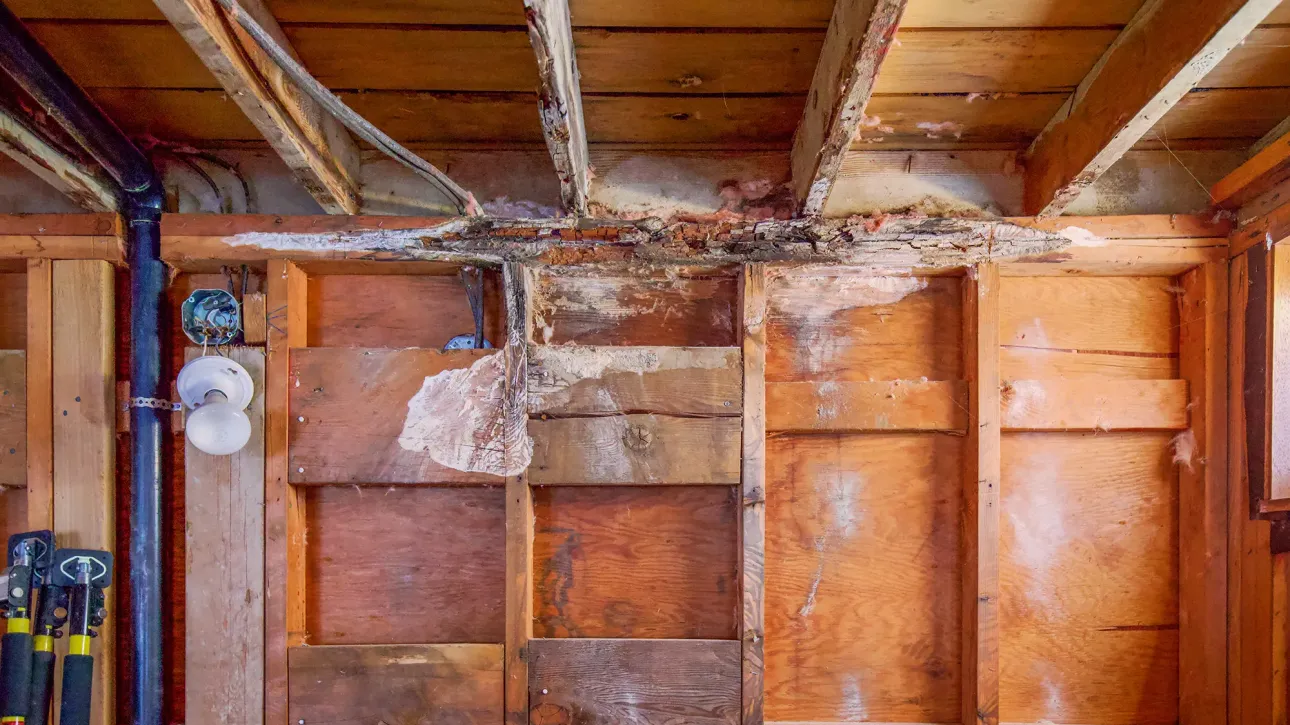
Hairline cracks in drywall or a small crack in a slab are often cosmetic. Wide cracks, cracks that keep growing, and stair-step cracks in brick are a different story. The inspector will usually say which one they think it is, and they often recommend a structural engineer for anything past cosmetic.
Do not guess on this one. If the repair amendment says to evaluate the foundation, you need a written evaluation from a qualified professional before anyone can agree on scope.
What Happens After the Repair Amendment Arrives
We regularly work with sellers and agents in Saginaw, Southlake, Garland, and Mesquite.
Agents submit the repair amendment and the full inspection report together. The amendment sets the scope. The report gives context and photos, and that matters on foundation items because the photos show exactly where the inspector saw movement.
From there the steps are simple. Get the evaluation if one is called for. Get a line-item estimate for any repair. Agree on what gets done before closing. If a credit is on the table instead, the evaluation still helps because it puts a real number on the problem.
Repair or Credit for Foundation Items
Foundation work can take longer than most other items. Drainage correction and structural repair depend on scheduling, weather, and sometimes permits. If your option period is short, ask early whether a credit is the faster path. Our guide on repair or credit after inspection walks through that decision.
Want the full picture? See how Fix Before Closing works, from the repair amendment to finished repairs.
When a Repair Makes Sense
- The fix is drainage or grading and can be done in days
- The engineer’s letter is clear and the scope is defined
- The lender needs the work finished before funding
When a Credit May Be Faster
- Structural repair needs more time than the closing timeline allows
- Scope is still being debated after the evaluation
- Both sides agree on a number
Lender and Insurance Questions
FHA and VA loans can add conditions on foundation findings, and a lender may want an engineer’s letter in the file. Insurance can matter too. For coverage questions tied to the property, an independent agency like ProCo Insurance can explain what is and is not typically covered.
How to Keep the Closing on Schedule
- Send the repair amendment and the full inspection report to your contractor the same day
- Ask for any engineer’s evaluation in writing
- Get a line-item estimate before you agree to scope
- Knock out the easy items first, like gutters, downspouts, and grading
- Keep photos and receipts for everything finished
For the full breakdown on this category, read our foundation inspection findings guide for DFW sellers.
Foundation Issues Closing: The Short Version
When “Foundation Issues Closing” comes up, work the list in order: amendment first, estimates second, scheduling third, and receipts last.
Whatever “Foundation Issues Closing” turns up on your report, the goal does not change: finish the repairs before the closing date.
Get Your Repairs Moving
Fix Before Closing handles repairs after the inspection comes back. Send us your repair amendment and the full inspection report. The amendment sets the scope. The report gives us context and photos. We read every item on your amendment, give you a line-item estimate, and coordinate the work so your closing stays on track.
Submit your Repair Request Form
- Email: manager@fixbefore.com
- Phone: 817-438-0079