IN THIS ARTICLE
- Why Summer Drives More Repair Amendments Across DFW
- What Texas Inspectors Flag Most in Summer
- What This Means for DFW Real Estate Agents Right Now
- Summer Repairs and the Road Into Q3
- DFW Areas With the Highest Summer Repair Volume
- How Fix Before Closing Handles Summer Amendments
- Mistakes Sellers Make When the Amendment Arrives
- Common Questions From DFW Agents
Summer is the busiest stretch of the real estate year across DFW. More listings go active in June than almost any other month. More contracts get signed, more option periods open, and more repair amendments land on agents’ desks with the clock already running.
The summer inspection repair season in DFW follows a predictable pattern. Texas heat pushes every major home system to its operating limit. Inspectors flag more findings. Amendment lists get longer. And the timeline between receiving the amendment and hitting the closing date gets tighter, not looser.
If you are a real estate agent or home seller navigating post-inspection repairs in Fort Worth, Keller, Southlake, Grapevine, North Richland Hills, or anywhere across the DFW area, here is what the summer repair season actually looks like and what it takes to close on time when the amendment arrives.
Why Summer Drives More Repair Amendments Across DFW
Transaction volume across DFW spikes from late May through early August. Listings in Tarrant County and surrounding areas peak during this window. More listings mean more buyer-ordered inspections. More inspections mean more findings. And in Texas, summer inspections consistently produce longer and more detailed amendment lists than any other time of year.
The primary reason is the Texas climate. Summer in DFW means sustained heat that routinely pushes past 100 degrees. Every major home system runs harder and longer than at any other point in the year. An HVAC unit that was performing adequately in March may struggle to maintain set temperatures when it is running continuously through July heat. Roofing materials expand and contract under direct sun. Clay soil dries out and pulls away from foundations, making existing movement more visible.
These conditions do not create problems from nothing. They reveal problems that were already there. Buyers and their inspectors know this. Summer inspection reports in DFW are longer and more detailed for good reason. Sellers who receive a repair amendment in June or July are dealing with a document that reflects everything Texas heat has exposed in that home.
Agents who have worked several summer transaction cycles in DFW recognize this pattern. The ones who struggle in summer treat the repair amendment as a negotiation inconvenience rather than a repair schedule to execute. The ones who close consistently have a contractor ready before the amendment even arrives.
What Texas Inspectors Flag Most in Summer
Some inspection findings show up on reports year-round. Others cluster specifically in summer. These are the categories that appear most consistently on DFW repair amendments during peak season, and what sellers need to understand about each one before responding.
HVAC Performance and Certification
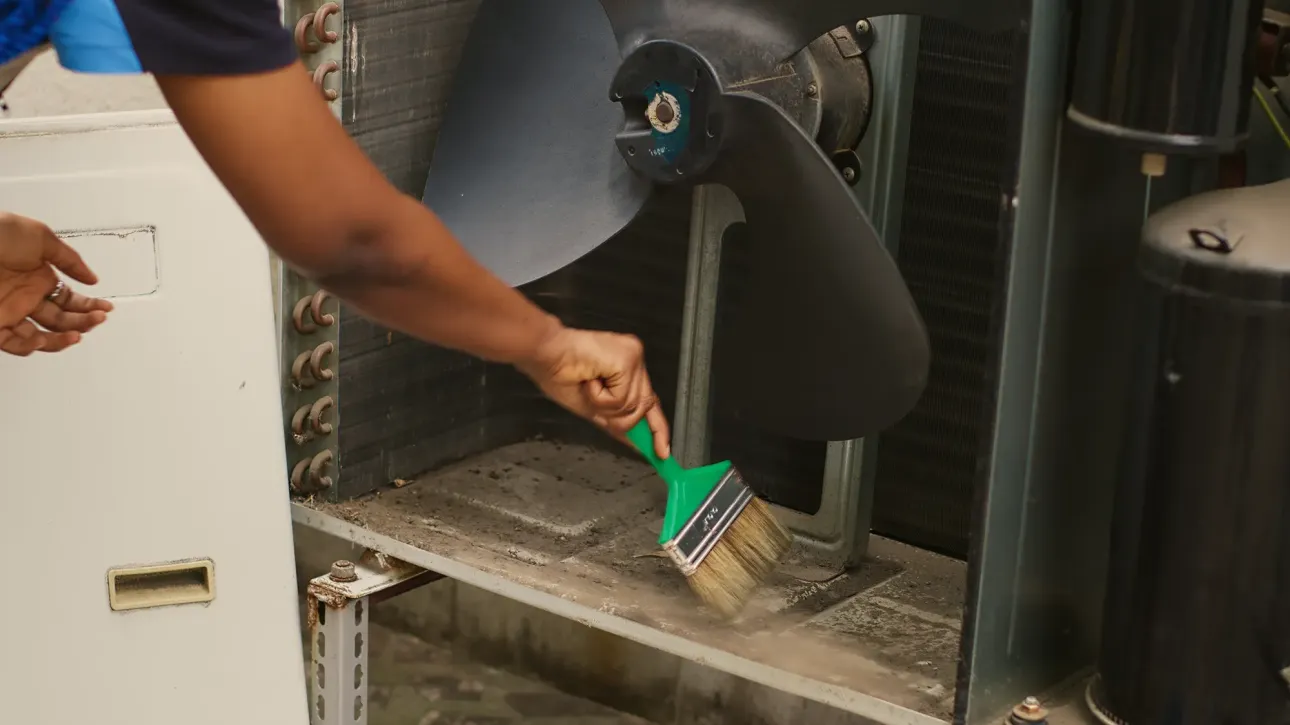
HVAC is the most common summer inspection category across DFW. An inspector evaluates whether the system is cooling the home to the set temperature, operating without unusual sounds or airflow problems, and whether current service documentation is on file. Systems that have not been serviced recently or that struggle to cool during peak heat get flagged. The amendment response to an HVAC finding is not optional if there is a lender involved. FHA and VA loans require HVAC systems to be in working condition at closing. This is not a negotiable item.
Roof Condition After Spring Hail
DFW gets hit by hail storms every spring. By June, a number of homes have undiscovered hail damage that has not been reported or addressed. Inspectors trained in Texas storm damage look for granule loss on shingles, bruising, cracked vents, and compromised flashing. What looks like minor surface wear to a homeowner can become a lender flag on an inspection report. When hail damage appears on the amendment, it requires a professional repair before closing.
GFCI Outlet Failures
GFCI outlets are among the most consistently flagged items on inspection reports regardless of season. Kitchens, bathrooms, garages, and exterior outlets in older homes are the most common failure points. These are fast repairs when handled by a licensed electrician, but they appear on nearly every amendment list and need to be addressed and documented before re-inspection. Sellers who attempt to handle GFCI replacements themselves and miss one outlet create a re-inspection failure that costs more time than the original fix.
Water Heater Compliance
TPR valves, strapping, expansion tanks, and discharge pipe positioning are standard inspection checkpoints on every DFW inspection report. Older water heaters in attics and garages face additional stress during summer heat and get flagged more often this time of year. When a water heater item appears on an amendment, it needs to be completed before closing. These are not items buyers typically agree to waive.
Foundation Observation Notes
Texas clay soil moves with moisture. In dry summer months, soil shrinks and foundation movement becomes more visible. Inspectors note cracks, door and window alignment issues, and uneven floors. Most of these are observation notes, not emergency repairs requiring immediate structural work. But sellers need to understand what the amendment is actually asking for before they respond. A foundation observation note is not the same as a structural failure, and how you handle that distinction during negotiation matters for how the deal moves forward.
Texas summer heat puts HVAC systems under maximum pressure. When the inspection report comes back with HVAC findings, the repair timeline is already running. Fix Before Closing handles HVAC certification and repairs across DFW.
What This Means for DFW Real Estate Agents Right Now
If you are closing deals across DFW this summer, the repair amendment is your biggest variable. You can control pricing, staging, and marketing. You cannot control what the inspector finds. But you can control how fast and how well the repair response happens.
Here is what separates agents who close on time in summer from agents who watch deals fall apart on the repair issue:
- They have a repair contractor ready before the amendment arrives. Calling around for quotes after the amendment lands wastes the option period. Agents who work with a dedicated repair contractor submit the amendment and get a line-item estimate back fast. That gives them real numbers to work with during negotiation before the clock runs out.
- They know which items are lender-required versus negotiable. Not every item carries the same weight. GFCI outlets, smoke detector placement, and HVAC certification are often flagged as FHA or VA requirements. A water stain on a ceiling that has already been repaired is a different conversation. Knowing the difference lets you negotiate from a position of information, not assumption.
- They document every completed repair. A finished repair is not finished until there is a receipt, a completion certificate, and a photo record. That documentation goes in the closing file. Agents who skip this step create problems at the title table.
- They do not let scope negotiations run while the option period burns. Every day spent debating which items are legitimate is a day not spent completing work. Get a complete estimate, agree on scope, and start the repairs.
Summer Repairs and the Road Into Q3
June and July sit at the intersection of peak summer volume and the early ramp into Q3. Deals that start in June often close in July and August, which means the repair work happening right now directly shapes Q3 closing numbers across DFW.
Agents who are building their Q3 pipeline need to treat the repair amendment process as part of their deal flow, not an afterthought. A deal that stalls on repairs in June can push a closing into August or fall apart entirely. Either outcome hits Q3 production.
The DFW housing market heading into Q3 2026 is active. Buyer demand in Tarrant County and surrounding areas has remained consistent. Sellers are transacting. The deals are there. What determines whether those deals close on time is execution on the repair amendment, not market conditions.
Agents who have a reliable repair contractor in place before Q3 starts are not scrambling when the amendment arrives. They submit, get an estimate, approve scope, and let the contractor handle the rest. That is the difference between a July closing that happens on schedule and one that gets extended or falls apart over repair delays.
DFW Areas With the Highest Summer Repair Volume
Fix Before Closing handles post-inspection repair amendments across DFW. Summer brings increased activity throughout the area, and the repair profile varies by market.
Fort Worth carries the highest transaction volume in Tarrant County. The housing stock ranges from older homes near downtown to newer construction in far west Fort Worth. Summer inspection findings reflect that mix. Older homes flag electrical panels and aging HVAC systems more often. Newer homes flag installation compliance items including smoke detector placement, GFCI coverage, and water heater strapping. View our Fort Worth inspection repair page for more on what we handle in that market.
Keller is Fix Before Closing’s home market. Higher-value listings in established neighborhoods tend to attract thorough inspectors and produce longer amendment lists. Every item gets followed up on at re-inspection, and agents in Keller expect complete documentation when the work is done. Our Keller inspection repair page covers the specifics of what we see most in that market.
Southlake listings move at a premium. Agents who work that market have high expectations for contractor responsiveness and documentation quality. Summer amendments in Southlake frequently include roofing items following spring hail events, and buyers in this market request re-inspection on every flagged item.
Grapevine has a mix of historic downtown homes and lake-area construction. Older homes flag foundation observation notes and plumbing items more often. Lake-area and newer construction tends to flag HVAC certification and exterior drainage. Our Grapevine page covers what comes up most on amendments in that market.
North Richland Hills, Hurst, Euless, Saginaw, Roanoke, and Haslet all see consistent summer repair volume. Option periods in these markets do not slow down because it is peak season. Agents there do not have time to chase multiple contractors for a single job. That is the problem Fix Before Closing was built to solve.

How Fix Before Closing Handles Summer Amendments
Fix Before Closing was built for the timeline pressure that comes with post-inspection repair amendments. That pressure is highest in summer, and the process does not change regardless of volume.
Step 1: Submit Your Repair Amendment
Your agent submits the repair amendment through the form at fixbeforeclosing.com/repair-request/. Include the inspection report for context and photos. The amendment drives the scope.
Step 2: Receive Your Line-Item Estimate
We send back a complete estimate covering every item on your amendment. Clear pricing per item. No vague allowances. No surprises when the work is done.
Step 3: We Handle Everything to Completion
We coordinate all licensed contractors, schedule directly with your seller, complete every repair, and hand you photos, receipts, and completion certificates for your closing file.
Mistakes Sellers Make When the Amendment Arrives
Sellers in a hot summer market make predictable mistakes when they receive a repair amendment. Each one costs time, and the closing timeline does not give that time back.
- Calling multiple contractors independently for quotes. Every day spent gathering separate estimates is a day the option period shrinks. One contractor who handles all trades and turns an estimate around quickly is worth more than multiple quotes that arrive after the negotiation window closes.
- Treating the amendment as a negotiation list before getting real numbers. The amendment is what the buyer is requesting. Responding with what your seller is willing to do before anyone has a real repair cost is a guess. Get the estimate first. Negotiate with actual numbers.
- Letting a dispute on one item slow down everything else. If the amendment has twelve items and ten are fast repairs, do not let a disagreement over one cosmetic item delay the HVAC certification or roof repair the lender requires. Handle lender items first. Negotiate the rest separately if needed.
- Skipping documentation on completed work. A verbal confirmation from a contractor does not close a deal. Receipts and completion certificates do. Sellers who skip this step find out at the title table when the buyer’s agent asks for documentation and none exists.
Common Questions From DFW Agents
How fast can I get a repair estimate during peak summer volume?
Submit your amendment through the form at FixBeforeClosing.com and we return a line-item estimate covering every item on your amendment. Summer volume does not change our turnaround process.
Do you handle HVAC and roofing on the same repair job?
Yes. Plumbing, electrical, HVAC, roofing, and general carpentry all go through one repair request. One project manager coordinates every trade from estimate to completion. You are not calling four separate contractors.
Do your repairs satisfy FHA and VA loan requirements?
Yes. All work is completed by licensed, insured contractors and documented with receipts and completion certificates. We understand what FHA and VA appraisers require in DFW transactions.
Is there a minimum job size?
No minimum. One item or a full amendment list. If it is on the inspection report and it is holding up your closing, we will quote it.
What areas of DFW do you serve?
Fix Before Closing serves 10 cities across DFW: Fort Worth, Keller, Euless, Grapevine, Haslet, Hurst, North Richland Hills, Roanoke, Saginaw, and Southlake. Submit your repair amendment and we will confirm coverage right away.
Licensed contractors. Line-item estimates. Every repair documented for your closing file.

“Repair coordination after inspection is operational work. It does not require your license, your client relationships, or your negotiation skills. It just requires time. And that is the one thing you cannot keep giving away.”
Brennan Harvey
Project Manager | Fix Before Closing | Keller, TX