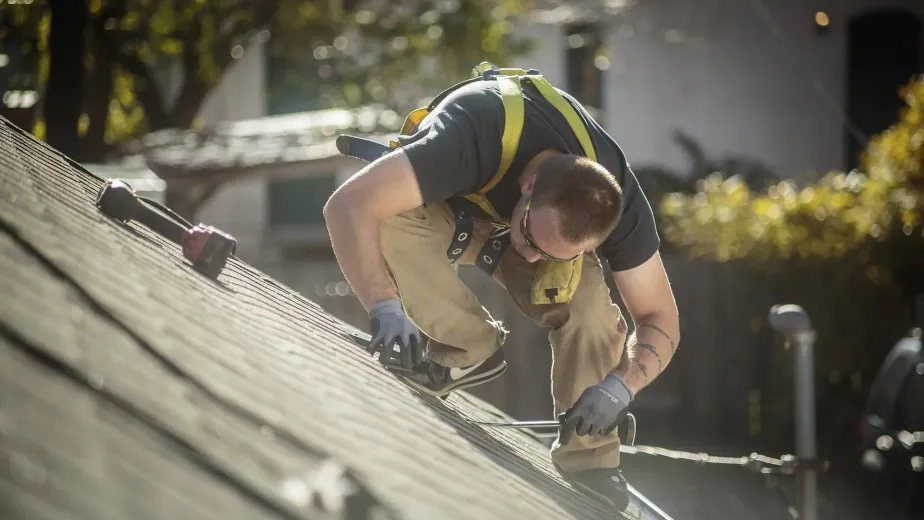
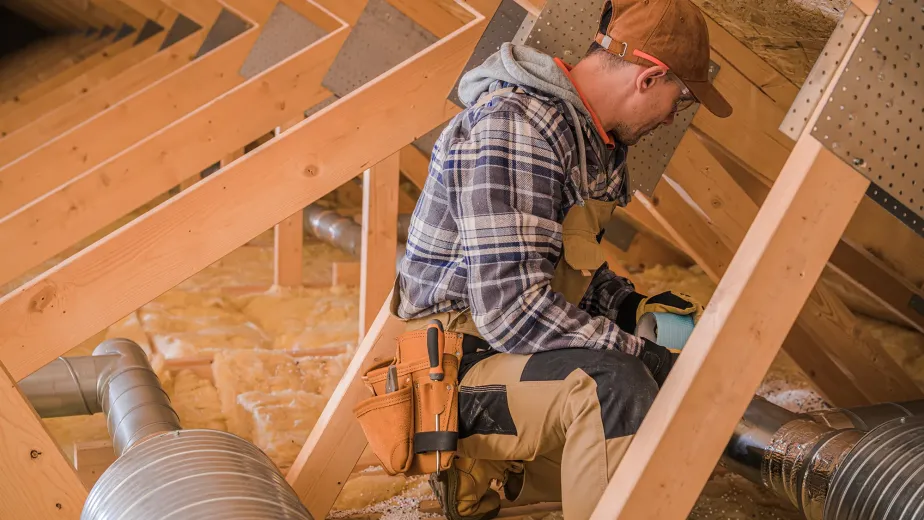
Your buyer’s inspection report just came back. Foundation movement flagged. HVAC efficiency questioned. Roof showing hail damage. Multiple electrical items needing GFCI upgrades. If you’re selling a Texas home, this list probably sounds familiar.
Texas inspections consistently flag issues that sellers in other states rarely face. Our extreme weather creates specific problems. Our building codes differ from other regions. Our clay soil causes foundation challenges that are normal here but alarm out-of-state buyers.
If you’re handling inspection repairs in Texas, generic advice won’t help. You need to understand what Texas inspectors actually look for, what Texas buyers expect, and how to address the unique issues our climate and geology create.
Here’s your complete guide to handling inspection repairs specifically for Texas homes, from foundation documentation to HVAC demands to code requirements that sellers must address before closing.
Why Texas Inspection Reports Look Different
Texas isn’t just another state with hot summers. We have a combination of extreme heat, clay soil, severe storms, and occasional hard freezes that stress homes in ways properties in moderate climates never experience.
Texas-specific stressors that show up in inspections:
Extreme temperature swings: Summer temps hit 100°F+ for months. Winter brings occasional hard freezes. This constant expansion and contraction shows up in inspection reports as foundation movement, roof deterioration, and HVAC wear.
Clay soil foundation issues: Much of Texas sits on expansive clay that swells when wet and shrinks when dry. Inspectors note foundation cracks and movement that are normal here but concern buyers from other regions.
Severe weather damage: Hail damages roofs. High winds lift shingles. Heavy rains test drainage. Inspectors specifically look for storm damage that’s common in Texas.
Year-round pest pressure: Warm climate means termites and other pests never go dormant. Texas inspectors routinely flag pest issues and expect recent treatment records.
HVAC system stress: Air conditioning runs 8-10 months yearly in Texas. Inspectors scrutinize HVAC condition heavily because system failure here means emergency replacement in brutal heat.
At Fix Before Closing, we specialize in Texas homes because we understand these unique inspection patterns. What’s minor elsewhere becomes a major finding here.
Foundation Issues: What Texas Inspectors Flag
Foundation concerns appear in nearly every Texas inspection report. The question isn’t whether inspectors will note foundation movement, but whether that movement threatens your closing.
What Shows Up in Texas Inspection Reports
Visible foundation indicators inspectors note:
- Cracks in slab or pier-and-beam foundations
- Doors or windows not closing properly
- Separation between foundation and framing
- Uneven or sloping floors
- Interior wall cracks, especially at corners
- Gaps between walls and ceilings/floors
- Exterior brick cracking or separation
Drainage issues inspectors flag:
- Poor grading directing water toward foundation
- Inadequate or missing gutters
- Downspouts dumping water near foundation
- Standing water near home perimeter
- Evidence of water intrusion in crawlspaces
How to Handle Foundation Findings
When inspection reports foundation movement:
☐ Get professional foundation evaluation Hire licensed structural engineer ($350-600) to assess severity and provide written report on whether movement is stable or requires repair.
☐ Provide documentation to buyers Engineer’s report showing current condition and recommendations. If movement is stable and normal for Texas clay soil, documentation usually satisfies buyers.
☐ If repairs are needed, get multiple quotes Foundation work is expensive. Get 3+ quotes from established, licensed companies. Avoid fly-by-night operators common in Texas foundation market.
☐ Complete repairs before re-inspection If engineer recommends repair, handle it immediately. Foundation issues won’t be negotiated away – they must be addressed.
Cost expectations for Texas foundation repairs:
- Minor crack repair: $500-2,000
- Pier and beam adjustments: $2,000-5,000
- Slab foundation leveling: $4,000-8,000
- Major structural repair: $7,000-15,000+
What Texas buyers expect: Most won’t walk from stable foundation movement if properly documented. They will walk from undisclosed foundation problems or sellers who refuse to provide engineer evaluation.
Pro tip from Fix Before Closing: If you’ve previously done foundation work, highlight it. Completed repairs with warranties are actually selling points because buyers know the issue was professionally handled.

HVAC Issues Texas Inspectors Always Check
Your air conditioning isn’t optional in Texas. It’s survival equipment. Inspection reports heavily scrutinize HVAC because buyers know system failure here means emergency replacement at premium prices.
What Appears in Texas HVAC Inspection Findings
Common HVAC items flagged:
- System not cooling adequately during test
- Age of system (10+ years raises concerns)
- Lack of service records
- Dirty or damaged condenser coils
- Low refrigerant levels
- Inadequate airflow
- Thermostat issues
- Missing or extremely dirty filters
How to Handle HVAC Inspection Findings
When inspection flags HVAC issues:
☐ Get immediate professional assessment Licensed HVAC technician evaluation within 24-48 hours of inspection report. Don’t delay – this is often deal-breaker territory.
☐ Provide service records if available Any maintenance documentation shows buyers the system was cared for, even if it needs repair now.
☐ Complete necessary repairs quickly Minor repairs: refrigerant recharge, coil cleaning, airflow fixes Major repairs: compressor replacement, system component failures
☐ If system needs replacement, decide fast Replace vs. credit decision. Replacement shows commitment but is expensive. Credit gives buyer choice but they’ll demand premium.
Cost expectations for Texas HVAC:
- Professional service and minor repairs: $150-500
- Refrigerant recharge: $200-400
- Compressor replacement: $1,500-2,500
- Full system replacement: $4,000-8,000+
What Texas buyers demand: System must cool properly during inspection, especially in summer months. They won’t accept “it’s just old but works” if it’s struggling. Either prove it works well or plan to address it.
Roof Damage From Texas Weather
Texas roofs face hail, high winds, extreme UV exposure, and occasional winter weather that dramatically shortens roof life compared to moderate climates. Inspectors know this and look closely.
What Texas Roof Inspections Find
Common roof findings in Texas reports:
- Hail damage (even from storms you don’t remember)
- Wind damage lifting or missing shingles
- UV deterioration from extreme sun exposure
- Inadequate attic ventilation
- Damaged flashing around penetrations
- Signs of previous or active leaks
- Granule loss on aging shingles
Handling Roof Inspection Findings
When inspection reports roof issues:
☐ Determine severity immediately Minor repairs vs. full replacement decision. Get roofer assessment within days of inspection report.
☐ Address active leaks first Any evidence of water intrusion must be fixed before re-inspection. Buyers will not proceed with active roof leaks.
☐ Handle missing or damaged shingles Even minor wind damage should be repaired. Shows you’re maintaining the home responsibly.
☐ Provide documentation of repairs Receipts, warranties, before/after photos. Roof work is expensive – document it thoroughly.
Cost expectations:
- Minor shingle repairs: $300-800
- Flashing repairs: $200-600
- Partial roof section replacement: $2,000-5,000
- Full roof replacement: $8,000-15,000+ depending on size
What Texas buyers understand: Roofs have shorter life here. They won’t demand new roofs on older homes. But they will demand repairs for active leaks or significant damage.
Electrical Code Updates Texas Inspectors Flag
Texas electrical code requirements mean older homes often need updates during sale. Inspectors flag missing safety features that must be corrected.
Common Texas Electrical Inspection Items
Frequently flagged electrical issues:
- Missing GFCI outlets in required locations
- Ungrounded two-prong outlets
- Overloaded circuits or panels
- Improper outdoor electrical installations
- Missing covers on junction boxes
- Reversed polarity on outlets
- Inadequate service panel capacity
Texas GFCI Requirements Buyers Expect
GFCI outlets required by Texas code in:
- All bathrooms
- Kitchen countertop areas within 6 feet of sink
- Garages
- Outdoor outlets
- Crawl spaces
- Unfinished basements (if applicable)
- Laundry areas
Missing GFCIs are automatic inspection flags and often lender requirements for financing.
Handling Electrical Inspection Findings
When inspection flags electrical issues:
☐ Hire licensed electrician immediately Never DIY electrical work for inspection repairs. Must be done by licensed professional with permits if required.
☐ Install missing GFCI outlets Non-negotiable for safety and lender requirements. Usually $100-200 per location.
☐ Update ungrounded outlets Two-prong outlets in older Texas homes need updating. Either ground properly or install GFCI protection.
☐ Correct any code violations Improper installations, missing covers, safety hazards must be fixed before closing.
Cost expectations:
- GFCI outlet installation: $100-200 per location
- Grounding updates: $75-150 per outlet
- Junction box covers: $50-100
- Panel upgrades if needed: $1,500-3,000
What buyers won’t compromise on: Electrical safety is non-negotiable. Buyers and their lenders will not close until violations are corrected. Don’t try to negotiate these items.
Plumbing Issues in Texas Homes
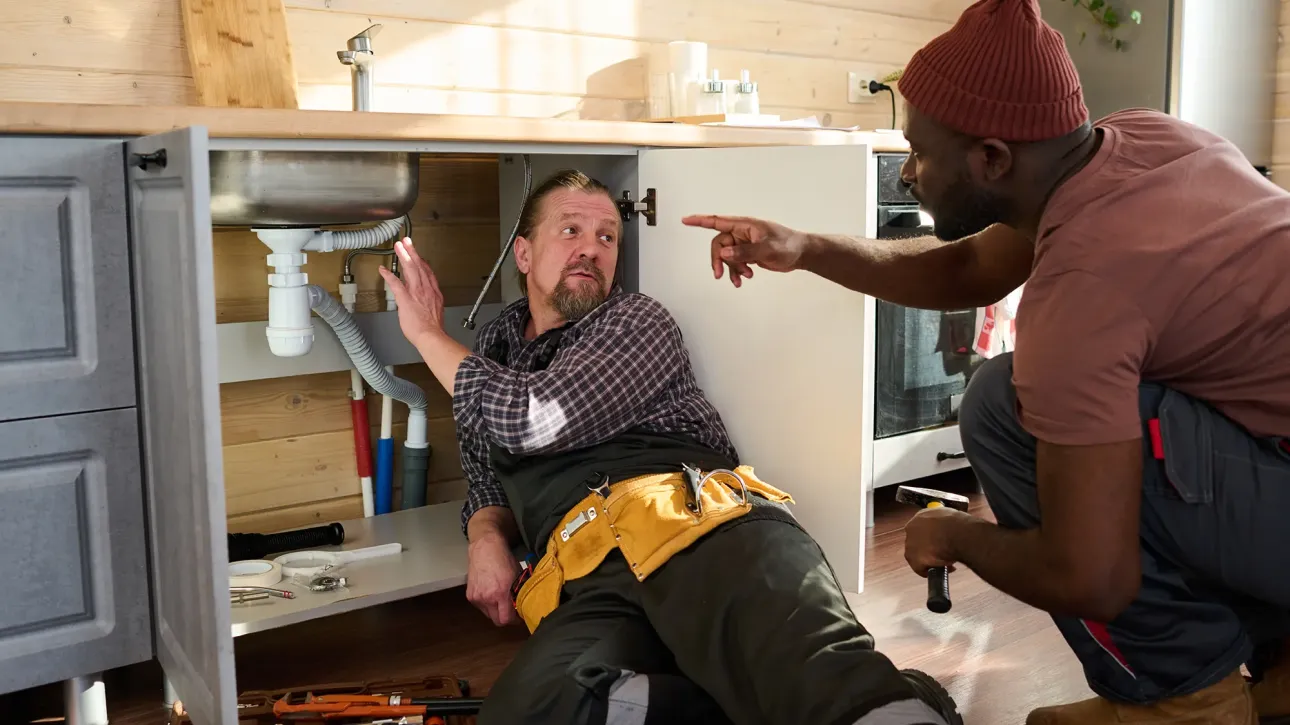
Texas plumbing faces challenges from hard water and occasional freeze events that damage pipes not built for extreme cold.
Common Plumbing Findings in Texas Inspections
Typical plumbing items flagged:
- Hard water mineral buildup
- Low water pressure
- Leaking faucets or fixtures
- Running toilets
- Slow drains
- Water heater age and condition
- Previous freeze damage evidence
- Outdoor faucet issues
Handling Plumbing Inspection Findings
When inspection reports plumbing issues:
☐ Fix all active leaks immediately Any dripping faucet, leaking pipe, or running toilet must be repaired. Non-negotiable for buyers.
☐ Address water pressure problems Low pressure indicates potential pipe issues. Get plumber assessment and fix before re-inspection.
☐ Handle water heater concerns If over 10 years old or showing issues, decide repair vs. replace. Buyers scrutinize water heater condition.
☐ Disclose any previous freeze damage If pipes burst during past freeze events, disclose repairs completed. Hidden water damage will be found.
Cost expectations:
- Faucet repairs: $100-300
- Water heater replacement: $800-1,500
- Pipe repairs: $200-1,000
- Whole-house re-piping: $4,000-10,000+ (rare)
Pest Inspections Texas Buyers Require
Unlike northern climates where pests go dormant in winter, Texas pests are active year-round. Most Texas purchase agreements require pest inspections.
What Texas Pest Inspections Find
Common pest issues in reports:
- Subterranean termite activity (very common)
- Previous termite damage evidence
- Drywood termite presence (older homes)
- Rodent evidence
- Carpenter ant activity
Handling Pest Inspection Findings
When pest inspection shows activity:
☐ Schedule treatment immediately Active infestation must be treated before closing. Use licensed, reputable pest control companies.
☐ Provide treatment documentation Warranty on treatment, evidence of completion, follow-up schedule if applicable.
☐ Repair any structural damage If termites caused wood damage, that must be repaired by qualified contractor.
☐ Disclose previous treatments If home was treated before, provide records showing treatment and warranty status.
Cost expectations:
- Termite inspection: $75-150
- Spot treatment: $200-500
- Full termite treatment: $1,000-3,000
- Structural damage repair: varies widely
What Texas buyers expect: Recent pest inspection (within 30-60 days) showing no active infestation. Previous treated infestations with warranties are acceptable.
Texas Lender Requirements After Inspection
Many post-inspection repairs in Texas are driven by lender requirements, not just buyer preferences. Know what financing type your buyer is using.
FHA Loan Requirements (Common in Texas)
FHA lenders require:
- Peeling paint repaired
- Handrails on all stairs
- GFCI outlets in required locations
- No active roof leaks
- Foundation assessed if visible cracks
- All mechanical systems functional
VA Loan Requirements (High in Texas Due to Military)
VA lenders require:
- Similar to FHA plus additional items
- Proper ventilation
- Adequate heating AND cooling
- No safety hazards
- Foundation evaluation if concerns
- Pest inspection in most cases
Conventional Loan Requirements
More flexible but still require:
- Safety issues corrected
- Major systems functional
- Property habitable and structurally sound
Know your buyer’s loan type early. Some repairs aren’t negotiable because the lender won’t fund without them.
Creating Your Texas Inspection Repair Strategy
When you receive a Texas inspection report:
Step 1: Identify Texas-Specific Issues (Day 1)
☐ Foundation concerns (normal vs. requires repair) ☐ HVAC condition (critical in Texas climate)
☐ Roof condition (storm damage likely) ☐ Electrical code compliance (GFCI requirements) ☐ Pest inspection results (required in most contracts)
Step 2: Get Texas Expert Assessments (Days 2-3)
☐ Foundation engineer if movement noted ☐ HVAC technician for system evaluation ☐ Roofer if damage flagged ☐ Licensed electrician for code violations ☐ Pest control professional if issues found
Step 3: Prioritize Based on Texas Deal-Breakers (Days 3-5)
Must fix immediately:
- HVAC not functioning in Texas heat
- Active roof leaks
- Electrical safety violations
- Foundation requiring structural repair
- Active pest infestations
Should fix before closing:
- Foundation movement needing documentation
- HVAC efficiency issues
- Roof damage from storms
- Code violations
- Previous pest treatments needing renewal
Step 4: Provide Texas-Appropriate Documentation
Texas buyers expect more documentation than buyers elsewhere:
- Foundation engineer reports
- HVAC service records
- Roof repair receipts and warranties
- Electrical permits if required
- Pest treatment warranties
Keep everything organized. Texas real estate moves fast but buyers want thorough documentation.
Market-Specific Considerations in Texas
Major Metro Markets
Dallas-Fort Worth: Competitive market. Complete reasonable repairs quickly. Document thoroughly. Buyers have options and expect responsiveness.
Houston: Large market with flooding concerns. Address any drainage issues flagged. Foundation documentation critical. Pest inspections always required.
Austin: Extremely competitive. Buyers pay premium and expect quality repairs. Don’t cut corners. Fast response essential.
San Antonio: More affordable market but military buyers (large percentage) need lender-required items completed. VA loans common.
Rural Texas Markets
Buyers more understanding of older systems and normal Texas home challenges. Still expect:
- Major systems functioning
- Safety issues addressed
- Pest treatments completed
- Foundation honestly represented
The Bottom Line on Texas Inspection Repairs
Handling inspection repairs in Texas requires understanding our unique climate challenges, building requirements, and buyer expectations. Generic repair approaches don’t work here.
Texas-specific priorities after inspection:
- Foundation movement must be professionally documented
- HVAC must function properly in extreme heat
- Pest inspections required and treatments completed
- Electrical code compliance for safety
- Roof condition honestly addressed
- Storm damage disclosed and repaired
What sets successful Texas sellers apart:
- Immediate response to inspection findings
- Professional documentation of Texas-specific issues
- Using licensed contractors who understand Texas code
- Honest disclosure of climate-related challenges
- Pricing that reflects condition in Texas context
Your goal isn’t perfection (impossible in Texas climate). It’s demonstrating responsible maintenance despite our weather challenges.
Get Expert Help Prioritizing Your Inspection Repairs
At Fix Before Closing, we exclusively serve Texas real estate sellers handling post-inspection repairs. We understand foundation issues from clay soil, HVAC demands from extreme heat, and roof concerns from hail storms because we live and work here.
Our licensed Texas contractors know local codes, lender requirements, and buyer expectations specific to Texas markets. We handle everything from foundation documentation to HVAC repairs to pest treatment coordination.
When your Texas inspection report comes back, we’re ready to help.
👉 Submit repair requests anytime here: Repair Request Form
📞 Contact us today:
-
- Email: manager@fixbefore.com
- Phone: +1 832-263-8098
- Email: manager@fixbefore.com
Texas homes need Texas experts. Let’s prepare your home for a smooth Texas closing.