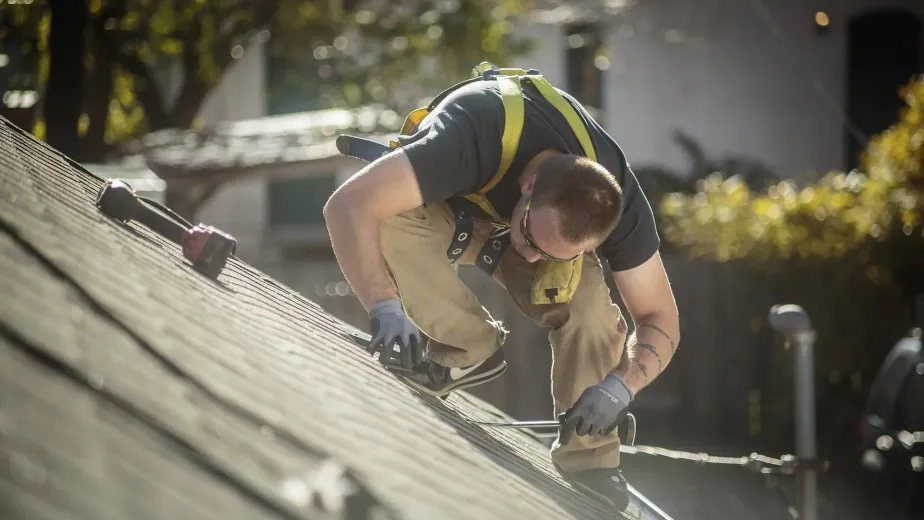
Most sellers focus on pricing, staging, and marketing when preparing to sell their home. Pre-closing repairs? Those get pushed to the bottom of the priority list or ignored entirely until inspection day.
That’s a costly mistake.
Pre-closing repairs aren’t just about fixing broken things. They’re about controlling your timeline, protecting your sale price, and preventing buyers from walking away after inspection. Skip them, and you’re gambling with thousands of dollars and weeks of unnecessary stress.
Here’s exactly why pre-closing repairs matter more than most sellers realize, what happens when you skip them, and how addressing issues early protects your closing.
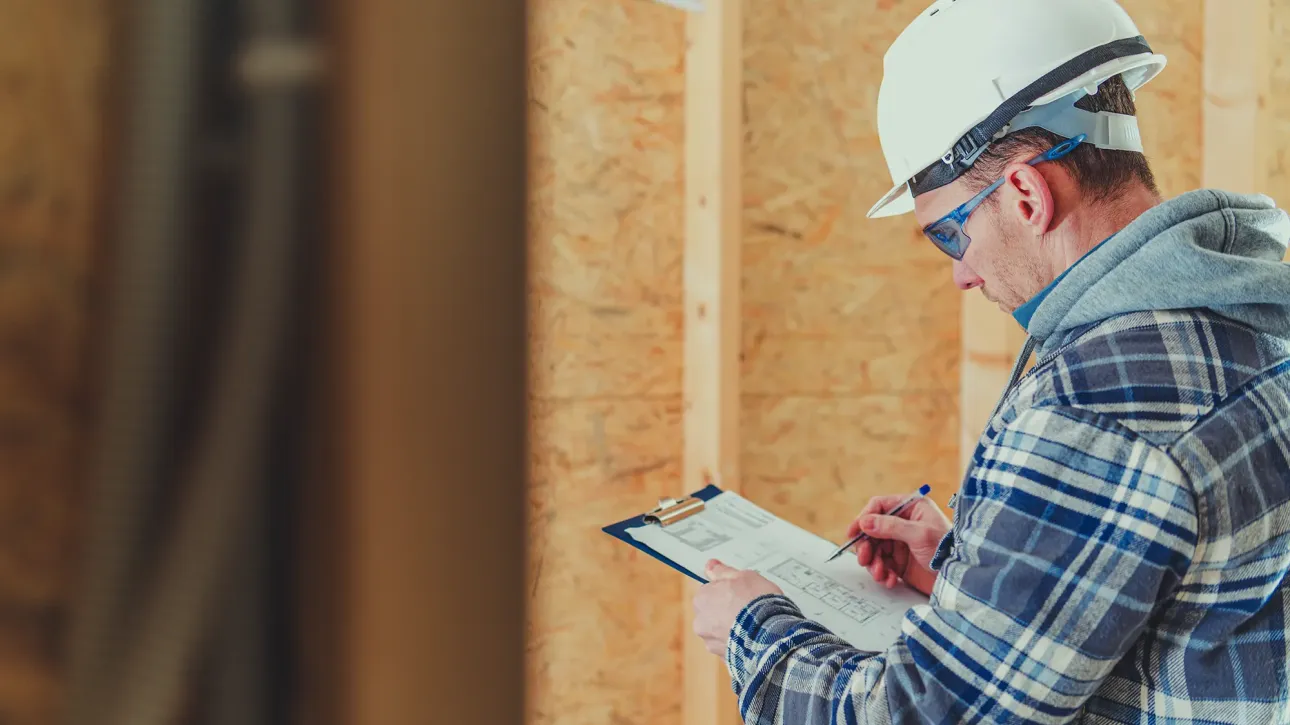
Pre-Closing Repairs Prevent Negotiation Nightmares
When buyers schedule their inspection, they’re not just checking if systems work. They’re looking for reasons to renegotiate.
Every issue the inspector finds becomes ammunition. A dripping faucet isn’t just a $50 repair anymore. It’s a talking point that makes buyers question what else you’ve neglected. That uncertainty shifts negotiating power away from you.
Here’s what actually happens when inspections find problems:
A $200 plumbing leak becomes a $1,000 buyer credit because now they doubt the entire plumbing system. A $300 electrical fix turns into a demand for a full electrical inspection at your expense. A worn roof shingle you could have replaced for $150 becomes grounds for a $5,000 price reduction.
Buyers don’t just want the repair cost covered. They want compensation for the risk they’re taking by buying a home with “issues.” That premium always costs more than fixing problems upfront.
At Fix Before Closing, we’ve watched sellers lose $10,000+ in negotiations over repairs that would have cost $2,000 to fix before listing. The math never works in your favor when you wait.
Inspection Findings Destroy Buyer Confidence
Confident buyers move fast and negotiate fairly. Nervous buyers slow everything down, demand excessive credits, and often walk away entirely.
What creates nervous buyers? Inspection reports full of repair items.
When buyers see a long list of issues, even minor ones, they start connecting dots that may not exist. Three small plumbing problems scattered throughout the house become “systemic plumbing issues” in their minds. A few electrical items become “the whole house needs rewiring.”
This psychological shift is expensive. Buyers who lose confidence either demand massive concessions or terminate the contract. Either way, you lose time and money.
Pre-closing repairs flip this dynamic. When inspection reports come back mostly clean, buyers feel reassured. They see a well-maintained home that’s ready for them to move into. That confidence keeps the deal moving forward without drama.
You Control the Repair Process and Costs
When you handle pre-closing repairs on your timeline, you choose the contractors, control the quality, and manage the costs.
Wait until after inspection, and you lose that control.
Buyers might demand you use their preferred contractor who charges premium rates. They might require multiple bids and inspections that delay closing. They might insist on repairs that go beyond what’s actually necessary.
Worse, you’re now working under pressure with a ticking clock. Contractors know you’re desperate to keep the deal alive. That leverage costs you money.
Real example from our files:
A seller ignored a minor roof issue before listing. Buyer’s inspector flagged it. Buyer demanded immediate repair to keep closing on schedule. Only roofer available charged $3,500 for work that should have cost $1,800. Seller paid double because they had no time to shop around.
When you handle pre-closing repairs early, you get competitive bids, choose quality contractors, and ensure work is done right the first time.

Pre-Closing Repairs Protect Your Timeline
Every real estate transaction runs on a timeline. Inspection happens by a certain date. Repairs must be completed by another date. Closing is scheduled for a specific day.
Inspection findings that require repairs blow up that timeline.
Sellers scramble to find contractors. Work takes longer than expected. Re-inspections get scheduled. Buyers get nervous about delays. Closing dates get pushed back.
Every week your closing delays costs money in continued mortgage payments, insurance, utilities, and sometimes temporary housing if you’ve already moved. Those carrying costs add up fast.
Average cost of a two-week closing delay: $1,500-3,000 in expenses plus the stress of extended uncertainty.
Pre-closing repairs eliminate this problem entirely. Issues are already fixed when inspection happens. The report confirms what buyers already saw during walkthroughs: a well-maintained home that’s ready to close on schedule.
Unaddressed Issues Can Kill Deals Entirely
Not every buyer will negotiate when inspection finds problems. Some will simply walk away.
This happens more often than sellers expect, especially when:
- Multiple issues are discovered (suggests poor maintenance)
- Problems affect major systems (roof, HVAC, electrical, plumbing)
- Repairs appear expensive or complicated
- Buyers are already stretching their budget
- Market conditions favor buyers (they have other options)
When a deal falls apart, you’re back to square one. The home goes back on market with a stigma (buyers wonder why the previous deal failed). You’ve lost weeks of time. You might have to reduce your price to attract new buyers.
The financial impact of a failed deal:
- Lost time (average 4-6 weeks to get another offer)
- Possible price reduction (5-10% to overcome market stigma)
- Continued carrying costs while home sits on market
- Emotional toll of starting over
Pre-closing repairs dramatically reduce the risk of deals falling apart. When inspections find nothing significant, buyers have no reason to walk away.
What Pre-Closing Repairs Actually Include
Pre-closing repairs aren’t about making your home perfect. They’re about addressing issues that will definitely get flagged during inspection.
Priority pre-closing repairs:
Safety issues:
- Electrical hazards (exposed wiring, missing GFCI outlets, overloaded circuits)
- Structural problems (foundation cracks, sagging floors)
- Roof leaks or significant damage
- Missing or broken safety features (handrails, smoke detectors)
Major system failures:
- HVAC not heating or cooling properly
- Plumbing leaks or water pressure problems
- Water heater issues
- Non-functional appliances included in sale
Obvious visible problems:
- Damaged flooring or broken tiles
- Cracked or broken windows
- Significant wall or ceiling damage
- Exterior damage (siding, paint, trim)
Functional issues buyers test:
- Leaking faucets or running toilets
- Doors or windows that don’t operate properly
- Non-functioning outlets or light switches
- Slow or clogged drains
These aren’t negotiable items. Inspectors will find them. Buyers will demand they’re fixed. Handle them before listing and you avoid the entire negotiation.

The Real Cost Comparison
Let’s look at actual numbers comparing pre-closing repairs versus waiting for inspection findings.
Scenario: Home needs $3,000 in repairs (plumbing leak, electrical updates, HVAC service)
Option 1 – Address pre-closing repairs before listing:
- Repair costs: $3,000
- Timeline: Work completed before listing
- Inspection result: Clean report, maybe 2-3 minor items
- Buyer response: Confident, negotiates fairly
- Final outcome: Full price offer, closes on time
- Total cost: $3,000
Option 2 – Wait for inspection to reveal issues:
- Repair costs: $3,000 (same repairs)
- Buyer credit demand: $5,000 (they want compensation for “undisclosed” issues)
- Timeline: Closing delayed 2 weeks for repairs
- Carrying costs during delay: $1,500
- Inspector re-inspection fee: $200
- Buyer stress and demands: Requests additional concessions ($1,000 closing cost credit)
- Total cost: $7,700
Difference: $4,700 lost by waiting
This pattern plays out constantly. Pre-closing repairs cost exactly what they cost. Inspection-discovered repairs cost the repair amount plus negotiation premiums, delays, and lost leverage.
How to Approach Pre-Closing Repairs Strategically
You don’t need to fix everything. You need to fix what matters.
Step 1: Get a pre-listing inspection Hire an inspector before listing ($300-500). They’ll find everything a buyer’s inspector would find. Now you know exactly what needs addressing.
Step 2: Prioritize repairs Focus on safety issues, major systems, and obvious problems first. These prevent deals from falling apart.
Step 3: Use licensed professionals DIY repairs look like DIY repairs. Hire licensed contractors who provide documentation and warranties. Buyers trust professional work.
Step 4: Document everything Keep receipts, warranties, permits, and before/after photos. When buyers ask what’s been done, you have proof.
Step 5: Time repairs properly Complete work 2-4 weeks before listing so everything is fresh for showings and ready for inspection.
This strategic approach ensures you’re not wasting money on unnecessary updates while still protecting your sale from negotiation problems.
Why Sellers Skip Pre-Closing Repairs (And Why They’re Wrong)
“The buyer can fix it themselves” Wrong. Buyers want move-in ready homes. Issues they have to fix after closing lower their offer price more than the repair cost.
“I’ll just price the home lower to account for repairs” Wrong. Lower prices attract bargain hunters who negotiate even harder. You end up selling for less AND making repairs anyway.
“The inspector might not find it” Wrong. Inspectors are trained professionals who check everything. They’ll find it.
“I’ll deal with it if it comes up during inspection” Wrong. Now you’re negotiating from weakness with a buyer who has leverage. This always costs more than fixing issues early.
“I don’t have money for repairs right now” Understandable, but Fix Before Closing offers solutions. We can help you finance repairs through closing, so costs come out of sale proceeds. No upfront cash needed.
The Bottom Line on Pre-Closing Repairs
Pre-closing repairs aren’t an optional expense. They’re an investment that protects your sale price, controls your timeline, and prevents buyers from walking away.
What pre-closing repairs actually do:
- Eliminate negotiation leverage before buyers have it
- Create confident buyers who move fast
- Prevent closing delays from post-inspection repairs
- Reduce risk of deals falling apart
- Save thousands compared to reactive repairs
What skipping pre-closing repairs costs:
- $5,000-15,000 in excess negotiation credits
- 2-4 weeks of closing delays
- Possible deal termination and starting over
- Stress of rushed repairs under pressure
The math is simple. Every dollar spent on pre-closing repairs saves three dollars in negotiations. Every issue fixed before inspection is one less reason for buyers to demand concessions or walk away.
Fix Issues Before They Become Problems
At Fix Before Closing, we help Texas sellers complete pre-closing repairs before issues ever reach the negotiation table. Our licensed professionals handle everything from assessment to completion, with full documentation for buyer confidence.
We know exactly what inspectors look for and what buyers care about. Let us help you prepare your home the right way, on your timeline, at fair prices.
👉 Submit repair requests anytime here: Repair Request Form
📞 Contact us today:
-
- Email: manager@fixbefore.com
- Phone: +1 832-263-8098
- Email: manager@fixbefore.com
Pre-closing repairs aren’t just about fixing problems. They’re about protecting your sale. Let’s make sure your closing goes smoothly.