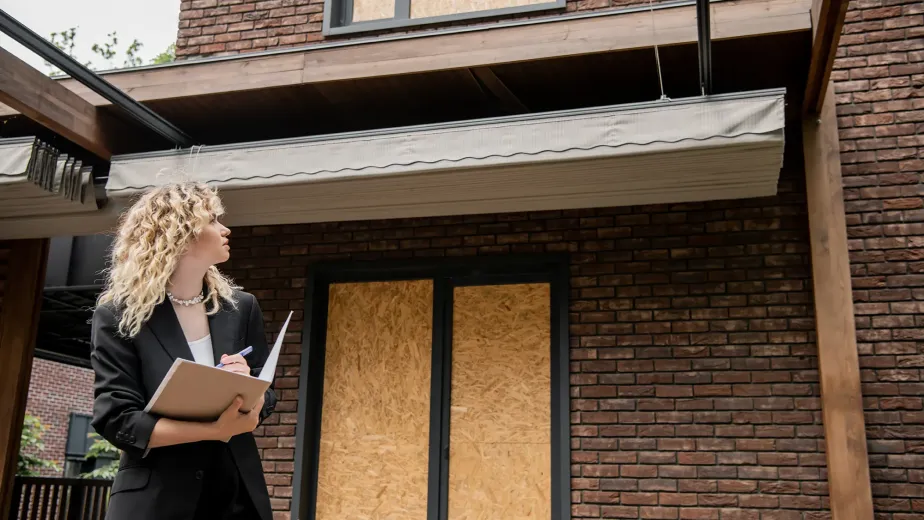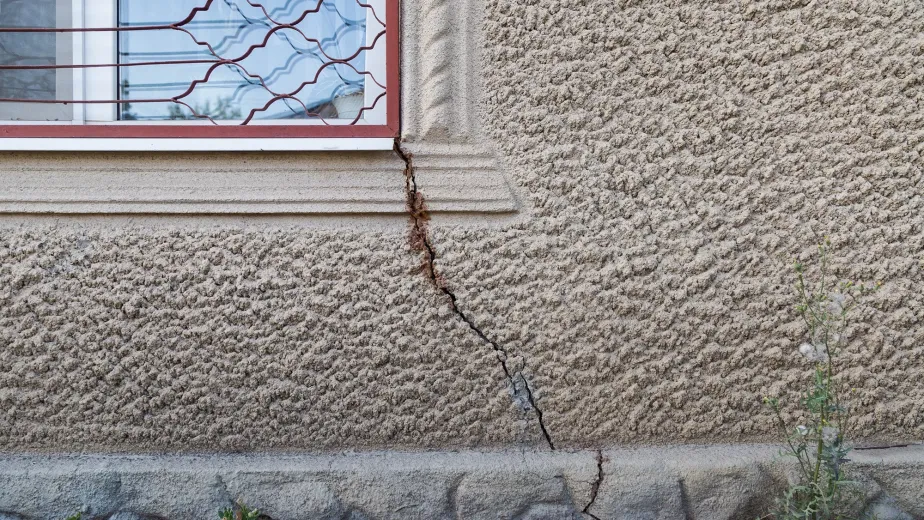
The inspection report came back and the roof section is flagged. Maybe it says hail damage. Maybe it mentions missing shingles, deteriorated flashing, or age concerns. Maybe the inspector recommended a licensed roofer evaluate it further.
For sellers, roof findings trigger more anxiety than almost any other inspection category. Roofs are expensive. Buyers know they are expensive. And the language inspectors use , ‘deteriorated,’ ‘end of useful life,’ ‘recommend evaluation’ , sounds worse than it often is.
Here is how to read roof findings on a Texas inspection report, understand what actually needs to happen, and make the repair vs. replace decision before your closing deadline.
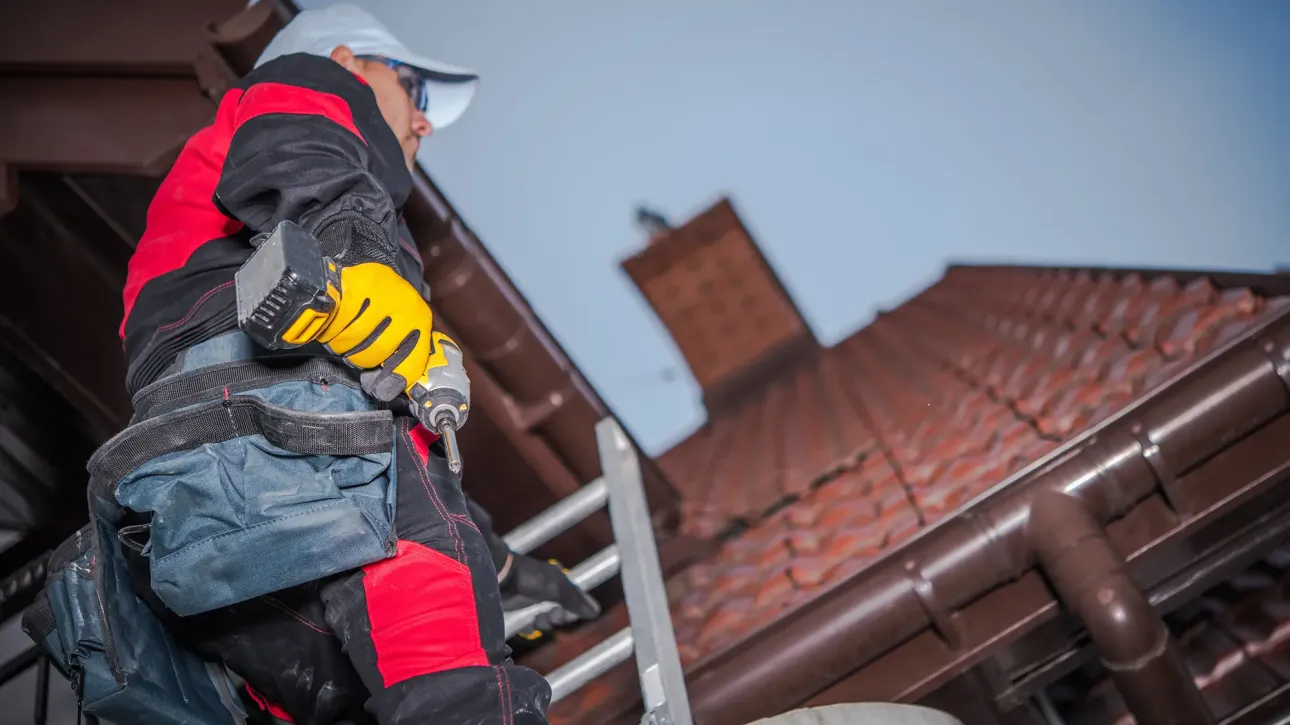
Why Roof Findings Make Buyers and Sellers Both Nervous
Roofs are the single largest weather-exposed system on a home. In Texas, that matters. The state sits in a high-frequency hail corridor , DFW, San Antonio, and the Houston metro all see significant hail events most years. Wind-driven rain, UV exposure, and temperature extremes accelerate shingle wear faster here than in most other parts of the country.
Inspectors know buyers are sensitive to roof findings, so they flag conservatively. An inspector who misses a roof issue that causes a leak after closing is liable. An inspector who flags aging shingles on a functional roof is just doing their job. That conservative approach means not every roof finding on an inspection report represents a crisis.
The mistake sellers make is treating all roof findings the same. A 15-year-old roof with minor granule loss is not the same as a roof with active leak penetration. Responding the same way to both situations costs sellers money they do not need to spend.
Understanding What the Inspector Actually Flagged
Before deciding on repair vs. replace, you need to understand what category the finding falls into. Most roof inspection findings are one of the following:
Age and Remaining Life Comments
Inspectors often note the approximate age of a roof and estimate remaining useful life. Statements like ‘shingles appear to have 3-5 years of remaining life’ or ‘roof is near end of typical lifespan’ are informational , not defect findings.
These comments do not require action on their own. They give buyers context about future maintenance costs. Sellers do not need to replace a functional roof because an inspector noted its age. What matters is whether the roof is currently performing its function , keeping water out.
Hail or Impact Damage
This is the most common significant finding on Texas roof inspections. Hail damage presents as circular impact marks on shingles, bruising of the asphalt mat beneath the granule surface, and dented metal components , vents, flashing, gutters.
Whether hail damage requires repair, partial replacement, or full replacement depends on severity and coverage. A licensed roofing contractor , not the inspector , makes that determination. Inspectors identify that damage exists. Contractors and insurance adjusters determine the scope of what is needed.
If hail damage is flagged, your first call after inspection should be to your homeowners insurance carrier. Many Texas sellers discover their policy covers the repair or replacement and their out-of-pocket cost is limited to the deductible. ProCo Insurance at procotexas.com works with Texas homeowners on claims and coverage questions if you need guidance navigating that process.
Missing, Lifted, or Damaged Shingles
Individual shingles that are missing, cracked, lifted at the edges, or visibly deteriorated are a repair item in most cases. A roofer can replace damaged sections without touching the rest of the roof. This is a targeted repair, not a full replacement conversation.
The exception is when damaged shingles are widespread , covering a significant percentage of the roof surface , or when the damage has allowed water intrusion that has affected the decking beneath. In those cases, partial or full replacement becomes necessary.
Flashing Problems
Flashing is the metal that seals roof-to-wall transitions, chimney bases, skylights, and valleys. Flashing failures are one of the most common sources of actual roof leaks. Inspectors flag lifted, rusted, or improperly installed flashing regularly.
Flashing repairs are usually targeted and affordable compared to shingle replacement. A licensed roofer can reseal or replace flashing at specific locations without disturbing the rest of the roof. These should almost always be repaired before closing , they are visible, they are what causes leaks, and buyers take them seriously.
Ponding or Drainage Issues
On low-slope or flat roof sections, inspectors sometimes flag areas where water is pooling. Poor drainage accelerates roof deterioration and can indicate decking issues beneath the surface. This requires evaluation by a licensed roofer before you can determine the scope and cost of correction.
Repair vs. Replace: How to Actually Decide
Once you know what category the finding falls into, the repair vs. replace decision comes down to three factors: scope of damage, lender requirements, and cost-benefit relative to your sale price.
When Repair Is the Right Answer
Repair is the right call when damage is localized , specific areas of shingles, isolated flashing failures, minor storm damage that has not compromised the roof deck or caused interior water intrusion. Most post-inspection roof findings in Texas fall into this category.
A targeted repair addresses what the inspector found, gives you documentation to show the buyer, and costs a fraction of full replacement. Buyers who see a repair completion certificate from a licensed roofer are generally satisfied. They wanted to know the problem was real and addressed , not that you replaced the entire roof.
When Replacement Is the Right Answer
Full or partial replacement becomes necessary when the roof is actively leaking and the damage is widespread, when hail damage is severe enough that insurance covers replacement, when the decking beneath the shingles is compromised by moisture, or when a lender’s appraiser flags the roof condition as requiring replacement before funding.
FHA and VA loans are particularly sensitive to roof condition. Appraisers on these loan types are trained to flag roofs with visible deterioration, missing shingles, or evidence of leaks. If your buyer is using a government-backed loan, a roof in poor condition may need more than targeted repairs to satisfy the appraisal condition.
The question sellers ask most often is whether they should replace the roof proactively to head off negotiations. In most cases, the answer is no , get a licensed roofer’s assessment first. You may be replacing a roof the buyer would have accepted with minor repairs and a credit.
The Insurance Path
Texas sees enough hail and wind events that insurance-covered roof replacement is genuinely common. If your inspection report flagged hail or wind damage, file a claim with your homeowners insurance before spending anything out of pocket. An adjuster will inspect the roof and determine coverage.
If coverage applies, your cost is limited to your deductible. The replacement gets done, the buyer gets a new roof, and your out-of-pocket is far less than a cash repair. This is one of the most underused options available to Texas sellers after inspection.
What Buyers and Lenders Are Actually Looking For
Buyers want to know the roof is not going to leak on them after they move in. They are not necessarily expecting a new roof , they want evidence that the inspection finding was addressed by a licensed professional and documented.
What satisfies buyers in most transactions:
- A written assessment from a licensed roofing contractor stating current condition and what was repaired
- Completion documentation for any repairs performed , contractor name, license number, scope, date
- Insurance claim documentation if a claim was filed and replacement was completed under coverage
- A transferable warranty on new work where applicable
What lenders require varies by loan type:
- Conventional loans: Functional roof that is not actively leaking. Age alone is not usually a disqualifier.
- FHA loans: Roof must have at least 2 years of remaining life in the appraiser’s judgment. Active leaks or significant visible deterioration will trigger a repair condition.
- VA loans: Similar to FHA , roof must be in serviceable condition. Appraisers are trained to flag roofs that appear to be near or past end of life.
If your buyer is using an FHA or VA loan and the inspector flagged significant roof deterioration, budget for more than minor repairs. The appraiser’s independent evaluation will determine what the lender requires.
Actual Timelines for Roof Work Before Closing
One of the biggest concerns sellers have after a roof finding is whether the work can be completed before closing. Here is a realistic timeline breakdown:
Targeted shingle repair (limited damage):
- Contractor assessment: 1 day
- Repair completion: 1 day
- Total timeline: 2-4 days with a licensed roofer scheduled
Flashing repair or replacement:
- Typically completed same day as assessment
- Total timeline: 1-2 days
Partial roof replacement (one or two sections):
- Material lead time: 1-3 days depending on shingle availability
- Installation: 1 day
- Total timeline: 3-7 days
Full roof replacement:
- Material lead time: 1-5 days
- Installation: 1-2 days depending on home size
- Permit and inspection: Add 1-3 days in jurisdictions that require it
- Total timeline: 5-10 days with a contractor ready to schedule
The bottleneck is almost never the physical work. It is getting a licensed roofer scheduled when demand is high after storm season. Having a repair coordination service with established contractor relationships is what compresses that timeline when closing is 10 days out.
What to Avoid After a Roof Finding
Do Not Ignore It
Buyers read inspection reports. Roof findings are visible and easy to understand. A buyer who sees a flagged roof and receives no response from the seller assumes the worst. Ignoring roof findings is one of the fastest ways to lose a buyer who was otherwise motivated to close.
Do Not Rush Into Full Replacement Without an Assessment
Sellers who panic after seeing ‘roof damage’ in an inspection report sometimes agree to full replacements that were not necessary. Get a licensed roofer’s written assessment before committing to scope. Targeted repairs that address actual findings are almost always more cost-effective than preemptive full replacement.
Do Not Use Unlicensed Contractors
Roof repairs completed by unlicensed contractors do not satisfy lender documentation requirements and give buyers no confidence. If the work is redone or fails after closing, you may face liability. License number and documentation are non-negotiable , especially on government-backed loan transactions.
How Fix Before Closing Handles Roof Findings
When you send us an inspection report with roof findings, we identify the same day whether you are dealing with a targeted repair situation, an insurance claim opportunity, or a lender-required replacement. We connect you with licensed Texas roofers who understand pre-closing timelines and provide the documentation buyers and lenders need.
We have handled roof findings across DFW, Houston, San Antonio, and Austin , hail damage assessments, flashing repairs, partial replacements completed inside tight closing windows. The key is getting a licensed roofer on site quickly so you know exactly what you are dealing with before the buyer escalates.
The Bottom Line on Roof Findings After Inspection
A roof finding on an inspection report is not automatically a replacement conversation. It is a starting point for understanding what actually needs to happen. Most Texas sellers who get a licensed roofer’s assessment discover the scope is more manageable , and less expensive , than the inspection language suggested.
Get the assessment. Understand what the lender requires for your buyer’s loan type. Complete targeted repairs with documentation. And check whether insurance applies before spending cash out of pocket.
Got a roof finding on your inspection report? Submit it to Fix Before Closing. We will help you understand the scope, coordinate the licensed roofer, and get the documentation your buyer and lender need before closing.
👉 Submit repair requests anytime here: Repair Request Form
📞 Contact us today:
-
- Email: manager@fixbefore.com
- Phone: 817-438-0079
- Email: manager@fixbefore.com
Roof findings after inspection do not have to threaten your closing. Let us assess what is needed and get it handled before your deadline.