
IN THIS ARTICLE
-
- Why Water Damage Shows Up on DFW Inspection Reports
- The Most Common Water Damage Findings in DFW Homes
- What Water Damage Findings Mean for the Repair Amendment
- How to Respond to Water Damage Findings in a DFW Transaction
- How Fix Before Closing Handles Water Damage Inspection Repairs in DFW
- Frequently Asked Questions
Water damage findings on DFW inspection reports create more anxiety for sellers than almost any other category. The word itself implies something serious, expensive, and potentially deal-killing. The reality is more nuanced. Some water damage findings require significant remediation and disclosure. Others are historical staining from issues that have since been resolved and need documentation more than active repair work.
What every DFW seller needs to understand is that water damage findings on a repair amendment require a specific response. Not panic. Not a coat of paint. A licensed contractor assessment, a clear determination of whether the issue is active or resolved, and proper documentation of whatever work is required.
Here is what sellers need to know when water damage findings show up on a DFW inspection report and land on the repair amendment.
Why Water Damage Shows Up on DFW Inspection Reports
DFW’s climate creates specific conditions that drive water intrusion findings across the market. The combination of heavy rain events, hail storms, extreme temperature swings, and the expansive clay soil that underlies most of North Texas produces water-related inspection findings that inspectors document consistently across all DFW home ages and price ranges.
Clay soil in North Texas expands when wet and contracts when dry. That movement creates a dynamic relationship between the soil and the foundations, slabs, and structures built on top of it. When grading around a home allows water to pool near the foundation rather than drain away from it, the soil movement accelerates and the potential for water intrusion at the foundation or at below-grade areas increases.
DFW’s hail exposure affects roofing and flashing in ways that create secondary water intrusion pathways. A hail event that damages shingles or separates flashing around a chimney or pipe penetration creates a roof leak that may not be immediately visible inside the home. By the time an inspector finds ceiling staining or elevated moisture readings near the roofline, the leak has often been occurring for months or longer.
Window and door sealing failures are another common DFW water intrusion source. The temperature swings that characterize North Texas weather cause expansion and contraction cycles in window frames, door frames, and the caulking and sealing that protects those penetrations. Over time, that movement creates gaps that allow water to enter during heavy rain events.
The Most Common Water Damage Findings in DFW Homes
These are the water damage findings that appear most frequently on DFW inspection reports and end up on buyer repair amendments.
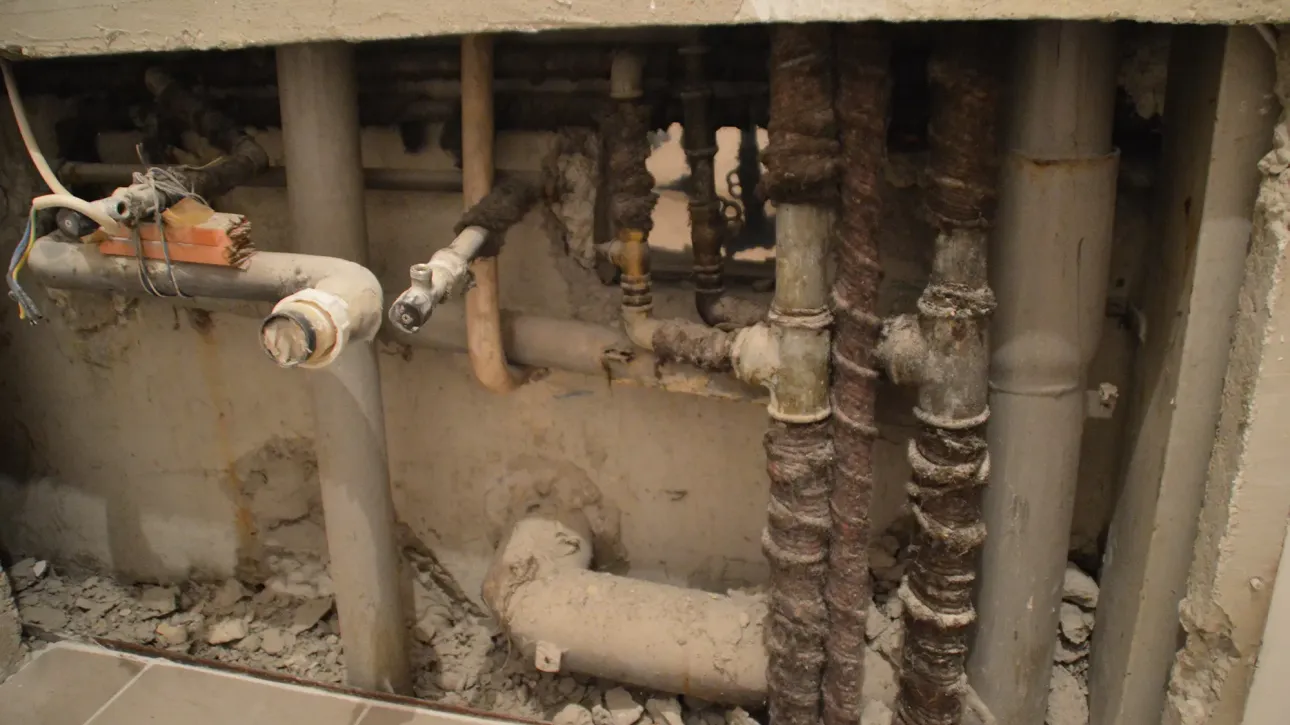
Ceiling staining indicating past or active roof leaks. Brown staining on ceilings, particularly near exterior walls, chimneys, and skylights, is flagged by inspectors as evidence of water intrusion from above. The critical question is whether the source has been resolved. Staining from a leak that was repaired after a hail event is different from staining from an active leak that is still occurring. Inspectors document both. Buyers request documentation of the repair in either case.
Elevated moisture readings at interior walls. Inspectors use moisture meters to detect water content in wall materials above the threshold for normal indoor conditions. Elevated readings near windows, exterior doors, and exterior walls indicate water intrusion pathways that need to be identified and addressed. This finding requires a licensed contractor to trace the source, not just a drywall patch over the affected area.
Efflorescence or staining in below-grade areas. White mineral deposits on concrete foundation walls or basement walls, and staining at the base of foundation walls, indicate past or ongoing water infiltration through the foundation or below-grade walls. In DFW homes with slab foundations, this appears at the interior base of exterior walls. Inspectors document it and buyers request clarification on source and current status.
Improper grading and drainage. Inspectors document grading conditions around the home’s perimeter when the soil slopes toward the foundation rather than away from it. This is not always a current active leak finding but it is a condition that creates ongoing risk of water intrusion and foundation movement. Buyers request grading correction as an amendment item because it represents a preventable ongoing risk.
Failed window and door sealing. Deteriorated caulking around window frames, door frames, and the penetrations where utility lines enter the home are flagged as water intrusion risks. In DFW’s climate, failed sealing at these locations is a regular inspection finding that appears on repair amendments consistently.
Water heater pan and discharge conditions. A missing or improperly plumbed water heater drain pan, or a discharge line that does not properly route water away from the home, is flagged as a water damage risk. This is a plumbing compliance item rather than an active water damage finding but it appears in the water-related findings section of many DFW inspection reports.
What Water Damage Findings Mean for the Repair Amendment
When water damage findings appear on a buyer’s repair amendment, the buyer is typically asking for one of three things. Active source correction, historical documentation, or both.
Active source correction means the buyer wants evidence that whatever caused the water intrusion has been repaired by a licensed contractor. A roof leak repaired by a licensed roofer with a completion record. A window seal failure re-caulked and documented. A grading condition corrected and photographed. The buyer needs to be able to show their lender, their insurance carrier, and eventually any future buyer of the home that the source of water intrusion was properly addressed.
Historical documentation means the buyer is looking for evidence that a stain or moisture reading they see in the inspection report is the result of a problem that has already been resolved, not an active ongoing condition. A ceiling stain from a roof leak that was repaired three years ago is not an active problem. But without documentation of that repair, the buyer has no way to verify the history and their lender may flag it as an unresolved finding.
The worst response a DFW seller can give to a water damage finding on the amendment is to paint over the stain or cover the evidence of the issue without addressing the source or producing documentation. Inspectors on re-inspection will look for exactly this kind of cosmetic cover-up. A fresh coat of paint over a ceiling stain that was visible in the original inspection photos is not going to pass re-inspection and it creates a disclosure problem that follows the property beyond the current transaction.
How to Respond to Water Damage Findings in a DFW Transaction
The right response to water damage findings on a DFW repair amendment starts with an honest assessment of the current condition. Is the source of the finding active or resolved? Does the finding represent ongoing risk or historical evidence of a past issue that has since been addressed?
That assessment needs to come from a licensed contractor who can identify the source, evaluate the current condition, and produce a written report that documents their findings. For roof-related water intrusion, that means a licensed roofer. For foundation or below-grade water findings, that means a contractor with expertise in drainage and waterproofing. For window and door sealing issues, that means a licensed general contractor or specialty contractor who can document the work properly.
Do not start with drywall repair or painting until the source is documented and addressed. The cosmetic fix is the last step, not the first. A buyer’s re-inspection that finds fresh drywall mud and paint over a location that was documented as having elevated moisture readings in the original inspection is going to generate more questions, not fewer.
Get a line-item estimate from your contractor before responding to the amendment. Water damage scopes can vary widely depending on whether the source is active or resolved and what remediation the current condition requires. Responding to the amendment with a commitment before you have real pricing is negotiating blind.
How Fix Before Closing Handles Water Damage Inspection Repairs in DFW
Fix Before Closing handles water damage inspection repair items as part of the full repair amendment scope for DFW agents and sellers. When water damage findings appear on the amendment, we include them in the line-item estimate alongside every other item on the list.
We coordinate licensed contractors for source identification and repair across all water intrusion categories. Roof flashing and sealant repair, window and door sealing, grading and drainage corrections, and plumbing-related water damage items are all within our standard scope. We do not patch symptoms without addressing sources. Every water damage repair we complete is documented with photos of the condition before repair, the scope of work performed, and the condition after repair.
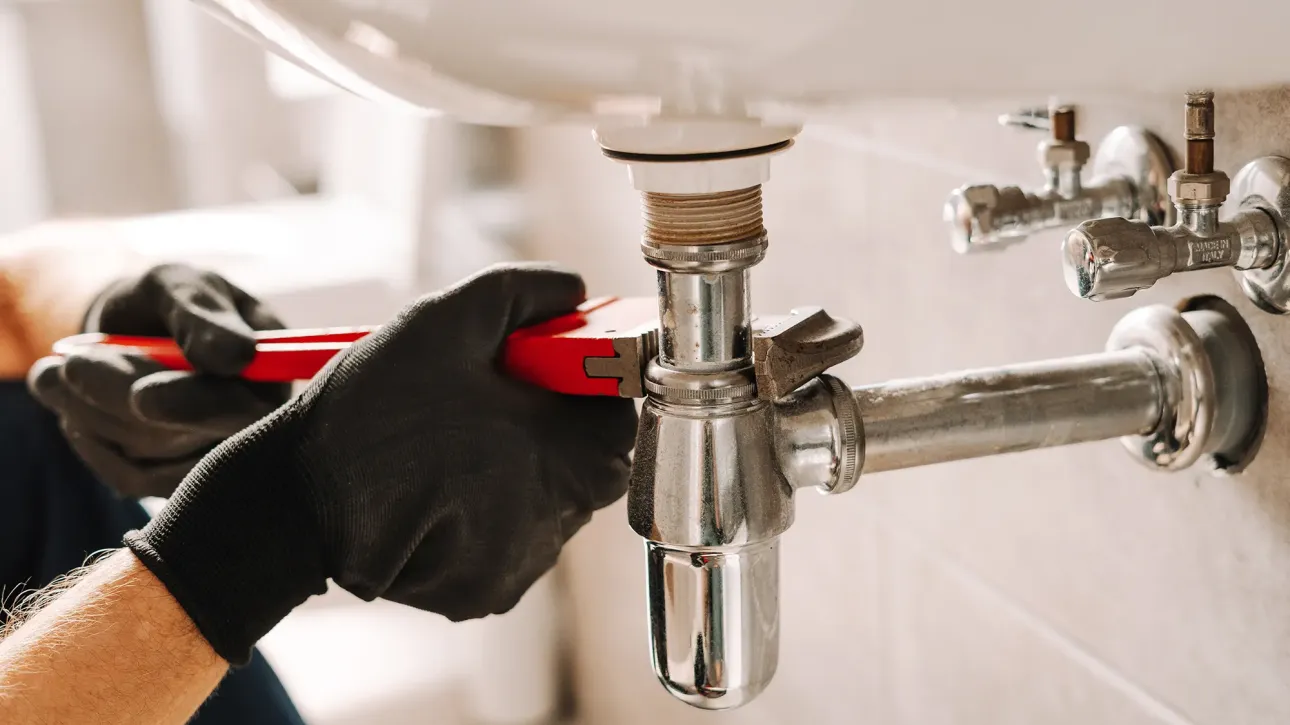
That documentation is what buyers, their agents, and lenders need to close the water damage items on the amendment. It is also what protects the seller in any future disclosure conversation about the property’s water history.
Step 1: Submit Your Repair Amendment
Your agent submits the repair amendment through the form at fixbeforeclosing.com/repair-request/. Include the inspection report for context and photos. The amendment drives the scope.
Step 2: Receive Your Line-Item Estimate
We send back a complete estimate covering every item on your amendment. Clear pricing per item. No vague allowances. No surprises when the work is done.
Step 3: We Handle Everything to Completion
We coordinate all licensed contractors, schedule directly with your seller, complete every repair, and hand you photos, receipts, and completion certificates for your closing file.
Frequently Asked Questions
Does water damage on an inspection report mean the deal is going to fall apart?
Not necessarily. Water damage findings range from historical staining from a resolved issue to active intrusion that requires significant remediation. The response that keeps the deal moving is a licensed contractor assessment of the current condition, proper source repair where needed, and documentation that satisfies the buyer’s amendment request. Panic and cosmetic cover-ups are what kill deals, not the findings themselves.
Can I just paint over a ceiling stain to address a water damage finding on the amendment?
No. Painting over a stain without addressing the source and producing documentation is not an acceptable response to a water damage finding on a DFW repair amendment. Inspectors on re-inspection look for exactly this kind of cosmetic patch. The buyer needs documentation that the source of the water intrusion has been identified and addressed by a licensed contractor, not evidence that the visible staining has been covered.
What is the difference between active water damage and historical staining on a DFW inspection report?
Active water damage indicates an ongoing intrusion source that is currently allowing water into the home. Historical staining indicates evidence of a past intrusion event from a source that may or may not have been resolved. Both require a licensed contractor assessment. Active sources require repair and documentation. Historical staining requires documentation of the previous repair or, if no repair documentation exists, a current assessment confirming the source is no longer active.
Do water damage findings affect homeowners insurance in DFW?
Yes. Insurance underwriters review property condition for water intrusion history. Active findings and unresolved water damage can affect a buyer’s ability to secure coverage at standard rates. Proper documentation of source repair is what removes the underwriting concern. For specific insurance questions, consulting with an independent insurance agency familiar with the DFW market is the right move.
What DFW cities does Fix Before Closing serve?
Fix Before Closing serves 10 cities across DFW: Fort Worth, Keller, Euless, Grapevine, Haslet, Hurst, North Richland Hills, Roanoke, Saginaw, and Southlake. Submit your repair amendment and we will confirm coverage right away.
Licensed contractors. Line-item estimates. Every repair documented for your closing file.

“Repair coordination after inspection is operational work. It does not require your license, your client relationships, or your negotiation skills. It just requires time. And that is the one thing you cannot keep giving away.”
Brennan Harvey
Project Manager | Fix Before Closing | Keller, TX