Closing is in five days. The inspection repairs that were supposed to be done are not. The contractor who committed to finishing by Wednesday is not returning calls. The buyer’s agent is asking for a status update. And the lender is waiting on repair documentation before they will clear the loan to close.
This situation is more common than sellers expect. Post-inspection repair plans fall apart for any number of reasons , contractor scheduling failures, scope surprises that extend timelines, permit delays, or simply waiting too long to start. When a closing deadline is days away and repairs are not complete, the window to salvage the transaction is narrow but it exists.
Here is how Fix Before Closing responds to last-minute repair emergencies , what the process looks like, what makes it possible, and what sellers need to understand about working under extreme time pressure.

What Counts as a Last-Minute Repair Emergency
Not every tight timeline is an emergency. For Fix Before Closing, a last-minute emergency is any situation where the gap between the current date and the closing date is smaller than the realistic timeline for completing required repairs through a normal scheduling process.
The most common emergency scenarios we encounter:
- Seller waited too long to schedule contractors and closing is now 5-7 days out with repairs incomplete
- Original contractor failed to complete work and a replacement is needed immediately
- Repair scope expanded significantly during work , what looked like a targeted fix revealed larger underlying issues
- Permit delay held up a lender-required repair and closing is approaching
- Buyer’s loan type changed late in the transaction, adding lender repair requirements that were not anticipated
- Re-inspection failed and repairs need to be corrected and re-verified before the closing date
Each of these scenarios requires a different response. The common thread is that normal scheduling timelines will not work , the situation needs immediate action and prioritization.
How We Respond When a Seller Calls With Days Until Closing
Step 1: Triage the Report Immediately
The first thing we do is review the full situation , inspection report, agreed repair list, what has been completed, what has not, and what the lender specifically requires before funding. This happens same day, often within hours of the initial call.
Triage at this stage is about brutal prioritization. With five days until closing, we are not trying to complete every item on the agreed list. We are identifying which items will prevent the loan from funding if they are not done, and focusing every available resource on those first. Everything else becomes a credit conversation with the buyer if needed.
Step 2: Activate the Contractor Network
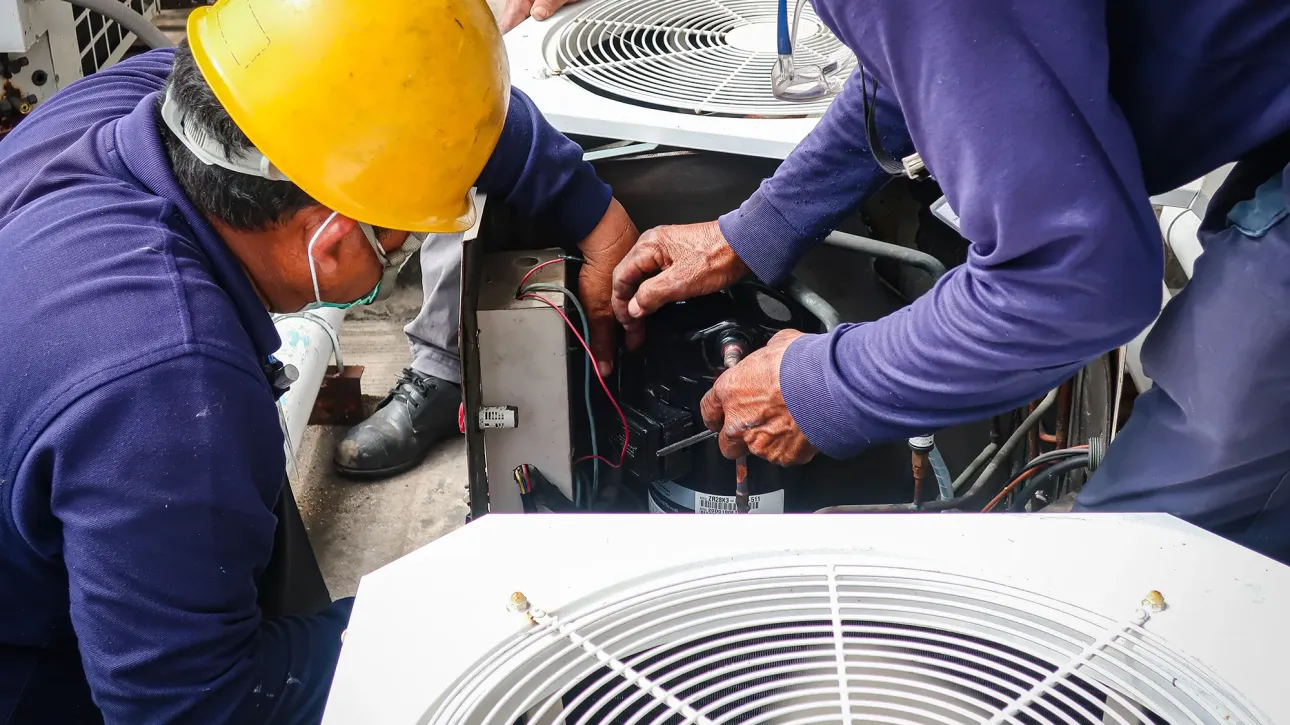
Fix Before Closing maintains working relationships with licensed contractors across electrical, plumbing, HVAC, roofing, and general trades in Texas markets. These are not cold calls to contractors found through a directory. They are established relationships with contractors who have worked with us on pre-closing timelines before and understand what that means.
When we call a contractor in our network with an emergency situation, they know the context. They know the documentation requirements. They know that the completion date is not negotiable. That relationship is the difference between getting someone scheduled for tomorrow versus being told the first available slot is in two weeks.
In genuine emergency situations, we contact multiple contractors simultaneously. We do not wait to hear back from the first call before making the second. Time matters at this stage and we operate accordingly.
Step 3: Parallel Scheduling Across Trades
One of the primary reasons post-inspection repair timelines extend unnecessarily is sequential scheduling , one trade finishes, then the next one is called. When closing is days away, every trade that can work simultaneously does.
An electrician installing GFCI outlets does not prevent a plumber from addressing a water heater PRV issue on the same day. A roofer repairing flashing does not interfere with an HVAC contractor servicing the system. Parallel scheduling compresses a multi-day repair timeline into what can sometimes be accomplished in a single intensive day.
This requires coordination , knowing which contractors are in the home when, ensuring they are not working in the same tight spaces simultaneously, and sequencing work that does have dependencies correctly. That coordination is a core part of what we do in emergency situations.
Step 4: Documentation in Real Time
In a standard post-inspection repair process, documentation is collected after all repairs are complete and organized into a package. In an emergency timeline, we collect documentation from each contractor as soon as their work is finished , not at the end.
This means that when a repair is completed on Day 2 of a five-day window, the documentation for that repair is already in hand and can be forwarded to the lender’s underwriter on Day 2. We are not waiting until Day 4 to start the documentation process. By the time all repairs are complete, the documentation package is already largely assembled.
Lender underwriters need time to review repair documentation before clearing a loan to close. Getting documentation to them as early in the process as possible protects the closing date even when repairs are finishing close to the deadline.
What Makes Emergency Response Possible
Sellers who call us five days before closing sometimes ask why we can move faster than the contractors they were already working with. The answer is not that we have access to contractors who work harder or faster. It is that the infrastructure for emergency response already exists before the call comes in.
Established Contractor Relationships
Cold-calling a licensed electrician and asking them to come tomorrow for a job they know nothing about almost never works. Calling a contractor who has worked with your team before, who knows the documentation requirements, and who understands the context of a closing deadline gets a different response. We have built those relationships over time, and they are what make fast scheduling possible.
Clear Triage Process
Emergency situations create pressure that leads to poor decisions , trying to complete every item instead of the right items, committing to repairs that cannot realistically be done in time, or spending money on non-lender-required work while critical items remain incomplete. Our triage process exists specifically to cut through that pressure and identify the minimum necessary path to a fundable closing.
Experience With Lender Requirements
We know what FHA appraisers flag. We know what VA underwriters require in documentation. We know which repair types need permits and how to navigate permit timelines in different Texas jurisdictions. That knowledge means we do not waste time on approaches that will not satisfy the lender even if the physical work is done correctly.
What Sellers Need to Do on Their End
Emergency repair coordination works best when sellers are engaged and responsive. In a situation where closing is days away, there is no time for delayed decisions or unreturned calls.
What we need from sellers in an emergency situation:
- Immediate access to the full inspection report and agreed repair list
- Property access for contractors , keys, lockbox code, or someone present to let contractors in
- Fast decision-making when scope questions arise , if a repair reveals additional issues, we need an answer within hours, not days
- Agent involvement so that buyer-side communication is happening in parallel with the repair work
The sellers who have the best outcomes in emergency situations are the ones who treat the next five days as a full-time job. The repairs, the documentation, the communication with their agent , all of it requires active engagement, not passive waiting.
When the Timeline Is Truly Impossible
Not every emergency situation can be resolved before the original closing date. Sometimes the scope is too large, the permit process cannot be compressed, or a specialty contractor simply cannot be scheduled in time regardless of relationships and urgency.
When that is the reality, the right move is honest, early communication , not hoping the problem resolves itself. If repairs will not be complete before closing, your agent needs to know immediately so they can approach the buyer about an extension before the closing date, not on the day of.
Most buyers will agree to a short extension , 5 to 7 days , if the seller communicates early, shows genuine progress on repairs, and provides a realistic completion date. Buyers who discover on the morning of closing that repairs are not done have far less flexibility and far less goodwill.
We are honest with sellers about what is possible when they call us in an emergency. If the timeline requires an extension to do the work correctly, we say so clearly. Rushing work that needs more time creates re-inspection failures and documentation problems that are worse than a short closing delay.
Prevention Is Still the Better Answer
Emergency repair coordination exists because sellers sometimes need it. But the sellers who never need it are the ones who started the repair process within 48 hours of receiving the inspection report, scheduled licensed contractors immediately, and built buffer time into their completion timeline.
The post-inspection window between inspection report and closing is almost always shorter than it feels at first. Three weeks looks comfortable until contractor scheduling takes three days, a permit takes five, and a scope surprise adds another week. Sellers who move fast at the beginning of the process have options. Sellers who wait have emergencies.
If you have an inspection report and you have not started on repairs yet , regardless of how far away closing feels , start now. Call Fix Before Closing, get your report reviewed, and get contractors scheduled. The buffer time you protect today is what saves your closing later.
Fix Before Closing Is Built for This
Every part of how Fix Before Closing operates , the contractor relationships, the triage process, the documentation system, the experience with lender requirements , exists because post-inspection repair situations have real closing deadlines behind them. Standard renovation timelines do not apply. Normal contractor scheduling does not apply.
We handle emergency repair situations because that is where the difference between a closed transaction and a failed deal is most visible. We also handle standard post-inspection repairs for sellers who start the process early and have time to do things right without emergency pricing and emergency timelines.
Either way , whether you are calling us with three weeks until closing or five days , we review your situation, identify the path forward, and get licensed contractors moving.
👉 Submit repair requests anytime here: Repair Request Form
📞 Contact us today:
-
- Email: manager@fixbefore.com
- Phone: 817-438-0079
- Email: manager@fixbefore.com
Closing deadline approaching and repairs are not done? Call Fix Before Closing now. The sooner we know, the more we can do.