IN THIS ARTICLE
- Why HVAC Shows Up on Almost Every DFW Inspection Report
- The Most Common HVAC Findings on DFW Inspection Reports
- HVAC Repair vs. Replacement: What DFW Sellers Need to Know
- How HVAC Certification Works in a DFW Transaction
- How Fix Before Closing Handles HVAC Inspection Repairs in DFW
- Frequently Asked Questions
If there is one item DFW sellers can almost count on seeing in the buyer’s repair amendment, it is something related to HVAC. Texas heat is hard on mechanical systems. Homes in the DFW area run their HVAC units for 8 to 10 months out of the year in most cases. That kind of demand ages systems fast and gives inspectors something to flag on almost every report they produce.
For sellers, an HVAC finding on the repair amendment can range from a straightforward certification request to a full replacement conversation. Knowing the difference between those outcomes and how to respond to each one is what keeps the deal moving after the inspection report comes back.
Here is what DFW sellers need to know about HVAC inspection repairs and how to handle them before closing day.
Why HVAC Shows Up on Almost Every DFW Inspection Report
The DFW climate is hard on HVAC systems in a way that most other markets in the country do not experience. Summer temperatures in Tarrant County regularly reach over 100 degrees and stay there for weeks at a time. An HVAC system in DFW does not get the seasonal rest that systems in milder climates get. It runs hard from late spring through early fall and then picks back up again when the winter cold fronts move through.
That kind of continuous demand means components wear faster, service intervals matter more, and the difference between a well-maintained system and a neglected one shows up clearly on an inspection report. Inspectors in DFW are trained to look at HVAC systems carefully because they know how much work those systems do and how costly a failure is for the buyer after closing.
The other factor is age. DFW’s housing stock includes a significant number of homes built in the 1980s, 1990s, and early 2000s. HVAC systems from that era are reaching the end of their typical service life. A 20-year-old system that is still running does not necessarily pass a buyer’s inspection standard even if it has not failed yet.
Buyers in the DFW market know to look at HVAC. Their agents know to flag it. And their lenders, particularly on FHA and VA transactions, have requirements around HVAC system condition that can affect the closing regardless of what the buyer requests on the amendment.
The Most Common HVAC Findings on DFW Inspection Reports
These are the HVAC findings that appear most frequently on DFW inspection reports and end up on buyer repair amendments in Tarrant County transactions.
System not cooling to proper differential. Inspectors measure the temperature difference between the air going into the return and the air coming out of the supply registers. In Texas heat, a system that cannot achieve a proper cooling differential is a system that is struggling. This finding triggers a service call at minimum and a replacement conversation in more serious cases.
No recent service documentation. Buyers and their agents frequently request documentation that the HVAC system has been serviced within the past 12 months. If the seller cannot produce that documentation, the buyer requests an inspection and certification from a licensed HVAC contractor as part of the amendment.
Dirty evaporator coil or air handler. A heavily soiled evaporator coil reduces system efficiency, strains the compressor, and can affect indoor air quality. Inspectors flag visible contamination on the coil or in the air handler as a maintenance deficiency that buyers request be addressed before closing.
Refrigerant issues. Systems that are low on refrigerant are either leaking or have been improperly charged. Either situation requires a licensed HVAC technician to diagnose, address, and document. This is not a DIY repair and not something a general contractor handles.
Aging system without documentation. A system that is 15 or more years old with no service history and no documentation of recent maintenance is a flag on almost every DFW buyer amendment. Buyers want either a certification that the system is in good working order or a credit toward replacement.

Thermostat calibration or compatibility issues. Smart thermostats that are incompatible with the HVAC system, thermostats that are reading inaccurately, or wiring configurations that do not match the system specs are HVAC findings that show up on DFW reports and end up on amendments.
Step 1: Submit Your Repair Amendment
Your agent submits the repair amendment through the form at fixbeforeclosing.com/repair-request/. Include the inspection report for context and photos. The amendment drives the scope.
Step 2: Receive Your Line-Item Estimate
We send back a complete estimate covering every item on your amendment. Clear pricing per item. No vague allowances. No surprises when the work is done.
Step 3: We Handle Everything to Completion
We coordinate all licensed contractors, schedule directly with your seller, complete every repair, and hand you photos, receipts, and completion certificates for your closing file.
HVAC Repair vs. Replacement: What DFW Sellers Need to Know
The most stressful HVAC conversation for DFW sellers is the one where the buyer’s agent presents a request that implies the system needs to be replaced. Understanding the difference between a repair request and a replacement demand, and knowing when each is actually warranted, is critical for responding to the amendment without overpaying or losing the deal.
Most HVAC findings on DFW repair amendments can be addressed with service, cleaning, certification, and documentation rather than full replacement. A system that is flagged for lack of service records needs a licensed HVAC technician to service it, certify it, and document the current condition. That is a service call, not a replacement.
A system that is genuinely at end of life, that cannot achieve proper differential even after service, or that has a compressor or coil failure is a different situation. In those cases, the seller has three real options: replace the system, offer a credit toward replacement, or negotiate a scope that addresses the specific failure component rather than the whole unit.
The credit option is frequently the fastest path in DFW transactions where the HVAC system is aging but still functional. A credit gives the buyer control over the replacement they are going to want anyway, keeps the deal moving, and avoids the coordination complexity of scheduling a full HVAC replacement during an option period.
What sellers should never do is agree to address HVAC on the amendment without knowing the actual cost first. Get a line-item estimate from a licensed HVAC contractor before responding to any HVAC-related amendment request. That estimate tells you whether service and certification is the path or whether a replacement conversation is warranted.
How HVAC Certification Works in a DFW Transaction
HVAC certification is a common amendment request in DFW transactions and one that many sellers are not familiar with before they encounter it. Here is what it actually means and what it produces.
An HVAC certification is a document produced by a licensed HVAC contractor that confirms the system was inspected, serviced, and found to be in good working condition as of the inspection date. It typically includes the system make and model, the date of service, any maintenance performed during the service call, the cooling differential measurements, and the technician’s assessment of the system’s current condition.
The certification satisfies buyer requests for documentation of HVAC condition. It also satisfies lender requirements on FHA and VA transactions where HVAC system condition is part of the appraisal process. A certification document in the closing file removes the HVAC item from the list of open questions the buyer’s agent or lender needs resolved before closing.
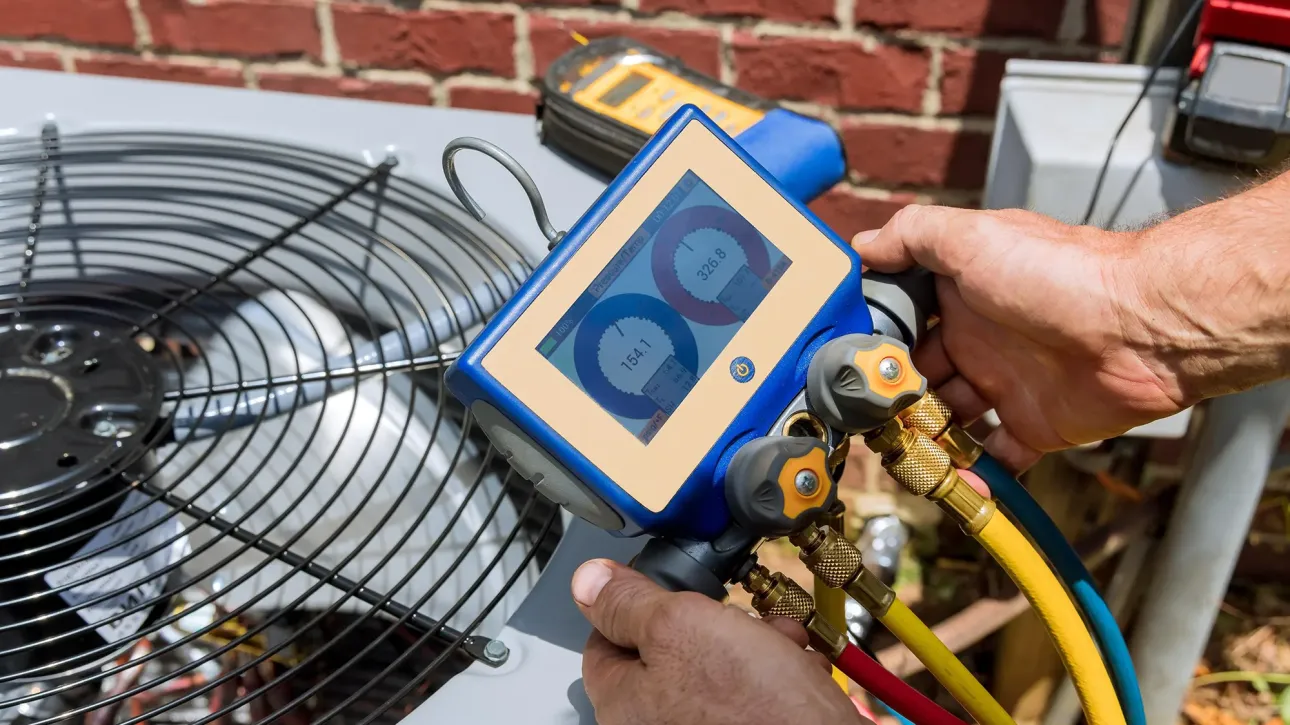
Getting the certification done through a licensed HVAC contractor who produces a proper document is important. A verbal assurance from a handyman or a receipt for a filter change does not meet the documentation standard that buyers, their agents, and lenders expect in a DFW transaction.
How Fix Before Closing Handles HVAC Inspection Repairs in DFW
Fix Before Closing handles HVAC inspection repair items as part of the full repair amendment scope for DFW agents and sellers. When an HVAC item appears on the amendment, we include it in the line-item estimate along with every other item on the list. One estimate. All trades. All items.
We work with licensed HVAC contractors who operate in the DFW market and understand real estate closing timelines. Service, certification, coil cleaning, refrigerant issues, and thermostat replacement are all within scope. For systems requiring replacement, we can quote that as part of the estimate as well.
Every HVAC item we address is documented with a completion record and a certification document if applicable. That documentation goes into the closing file and satisfies the buyer’s amendment requirement, the re-inspection, and any lender documentation requests.
Submit your DFW repair amendment at fixbeforeclosing.com/repair-request/ or call 817-438-0079. HVAC items are part of the standard scope we handle across all 10 of our DFW service cities.
Frequently Asked Questions
Does HVAC always need to be replaced when it shows up on a DFW repair amendment?
No. Most HVAC findings on DFW repair amendments can be addressed with service, cleaning, and certification rather than full replacement. A licensed HVAC technician can assess the system, perform any needed maintenance, and produce a certification document that satisfies the buyer’s amendment request. Replacement becomes the conversation only when the system has a genuine mechanical failure or is at the end of its serviceable life.
What does HVAC certification mean in a DFW real estate transaction?
HVAC certification is a document from a licensed HVAC contractor confirming the system was inspected, serviced, and found to be in good working condition. It includes service date, cooling differential measurements, and the technician’s assessment. It satisfies buyer amendment requests for HVAC documentation and meets lender requirements on FHA and VA transactions in DFW.
Can Fix Before Closing handle HVAC repairs as part of a larger repair amendment?
Yes. HVAC items are included in the line-item estimate along with every other item on the amendment. We coordinate the licensed HVAC contractor as part of the full repair scope. You do not manage the HVAC contractor separately from the rest of the job.
How long does HVAC certification take in DFW?
A standard HVAC service and certification can typically be completed within the DFW option period timeline. We move on closing timelines because that is what the DFW market requires. Submit your amendment and we will include HVAC in the estimate and schedule it with the rest of the repair scope.
What DFW cities does Fix Before Closing serve?
Fix Before Closing serves 10 cities across DFW: Fort Worth, Keller, Euless, Grapevine, Haslet, Hurst, North Richland Hills, Roanoke, Saginaw, and Southlake. Submit your repair amendment and we will confirm coverage right away.
Licensed contractors. Line-item estimates. Every repair documented for your closing file.

“Repair coordination after inspection is operational work. It does not require your license, your client relationships, or your negotiation skills. It just requires time. And that is the one thing you cannot keep giving away.”
Brennan Harvey
Project Manager | Fix Before Closing | Keller, TX