The inspection report came back. Somewhere in it, the inspector flagged electrical issues. GFCI outlets missing, grounding problems, maybe a panel concern. Now your buyer’s agent is asking what you plan to do about it, and your closing is a few weeks out.
Electrical findings make sellers nervous because the terminology is unfamiliar. GFCI. Double-tapped breakers. Ungrounded circuits. It sounds expensive and complicated. Most of the time, it is not.
Here is what the most common electrical code violations found during inspections in Fort Worth, Keller, and across Tarrant County actually mean, and how to handle them before your closing deadline.
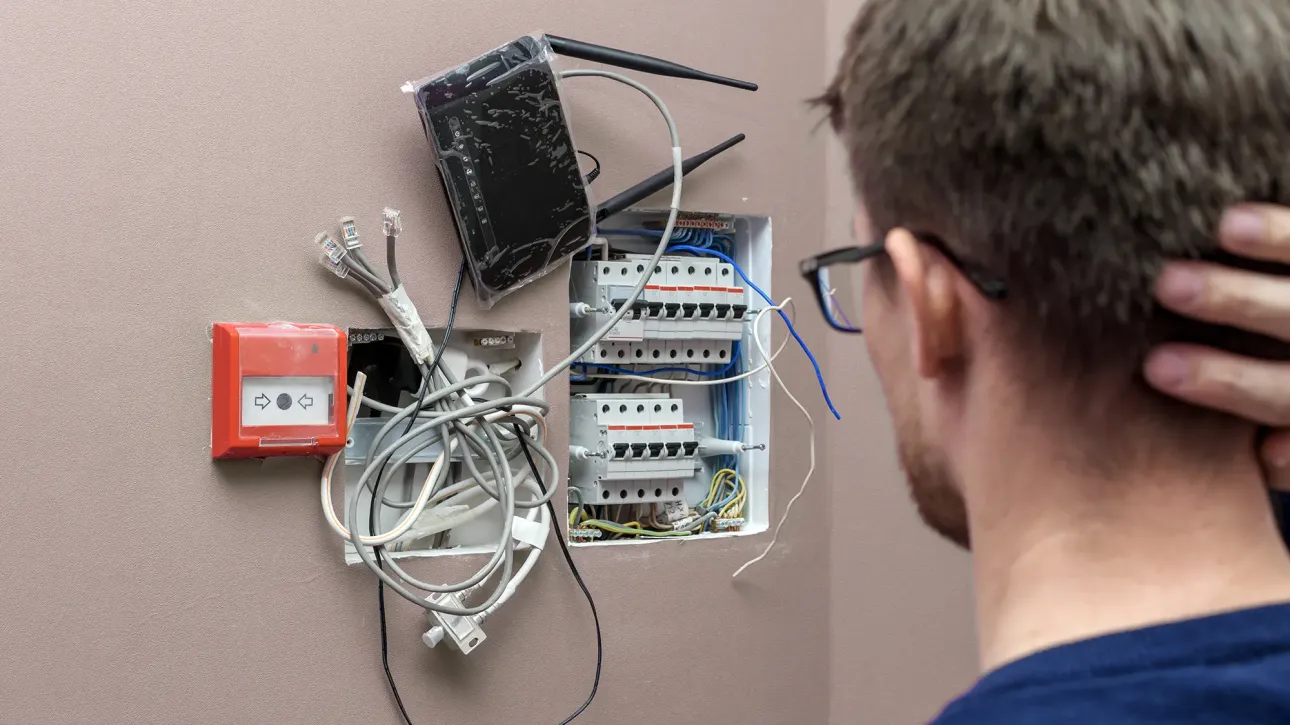
Why Electrical Code Violations Show Up on DFW Inspection Reports
Texas home inspectors are licensed by TREC and required to flag any visible electrical issue that does not meet current National Electrical Code standards, even if it was legal when the home was built. That is the key point most sellers miss.
A house built in 1978 was wired to 1978 standards. Those standards have been updated multiple times since. The home was not rewired. The code moved forward. Now the inspector flags the gap.
This is not a sign the home was poorly maintained or that something is broken. It means the electrical system has not been updated to match current requirements. That is common throughout Fort Worth, Keller, North Richland Hills, and Hurst in homes built before the 1990s. The fixes are usually targeted and affordable.
Common reasons electrical violations appear on DFW inspection reports:
- Homes built before 1980 frequently lack GFCI protection in required locations
- Panels installed in the 1960s through 1980s may be recalled brands or undersized for modern load
- DIY electrical work done without permits creates code compliance gaps
- Aluminum wiring from the 1965 to 1973 era requires specific connections that aging outlets no longer provide
- Additions and renovations sometimes introduce wiring that does not match the rest of the home
The Most Common Electrical Code Violations Inspectors Flag in Tarrant County
Missing GFCI Outlets
Ground Fault Circuit Interrupter outlets are required by code anywhere water is present: both bathroom counters, kitchen counters within six feet of the sink, garage walls, and exterior outlets. In homes built before 1978, these are almost always missing.
GFCI outlets are one of the most frequently flagged items on Tarrant County inspection reports and one of the fastest fixes available. A licensed electrician can install them in a few hours. Buyers and lenders both notice this immediately.
Ungrounded Outlets (Two-Prong)
Two-prong outlets throughout a home signal ungrounded wiring. Buyers see them and assume the entire electrical system needs updating. In many cases, GFCI outlets can be installed as code-compliant replacements without rewiring. This satisfies the code requirement and removes the visual red flag.
Federal Pacific or Zinsco Electrical Panels
These panel brands were widely installed from the 1950s through the 1980s and have documented histories of breaker failure. They show up regularly on inspection reports in Fort Worth’s older neighborhoods, Hurst, Euless, and North Richland Hills.
They appear on inspection reports as a flagged brand, not necessarily a current malfunction. Lenders, especially FHA and VA, often require replacement before funding. Panel replacement takes one business day with a licensed electrician. If your buyer is using a government-backed loan and your home has one of these panels, plan on replacing it. A credit will not satisfy the lender’s underwriting condition.
Double-Tapped Breakers
A double-tapped breaker is when two wires connect to a single breaker slot designed for one wire. It is a common result of DIY panel work and a code violation. The fix is adding a breaker or using a tandem where the panel specs allow. A few hours of work.
Aluminum Wiring
Common in homes built between 1965 and 1973, aluminum wiring itself is not inherently dangerous but requires specific connections. When paired with standard brass outlets and switches, the connection points become a fire risk over time. The fix is not full rewiring in most cases. An electrician installs AlumiConn connectors at each outlet, switch, and junction box. Cost varies by home size but is substantially less than rewiring.
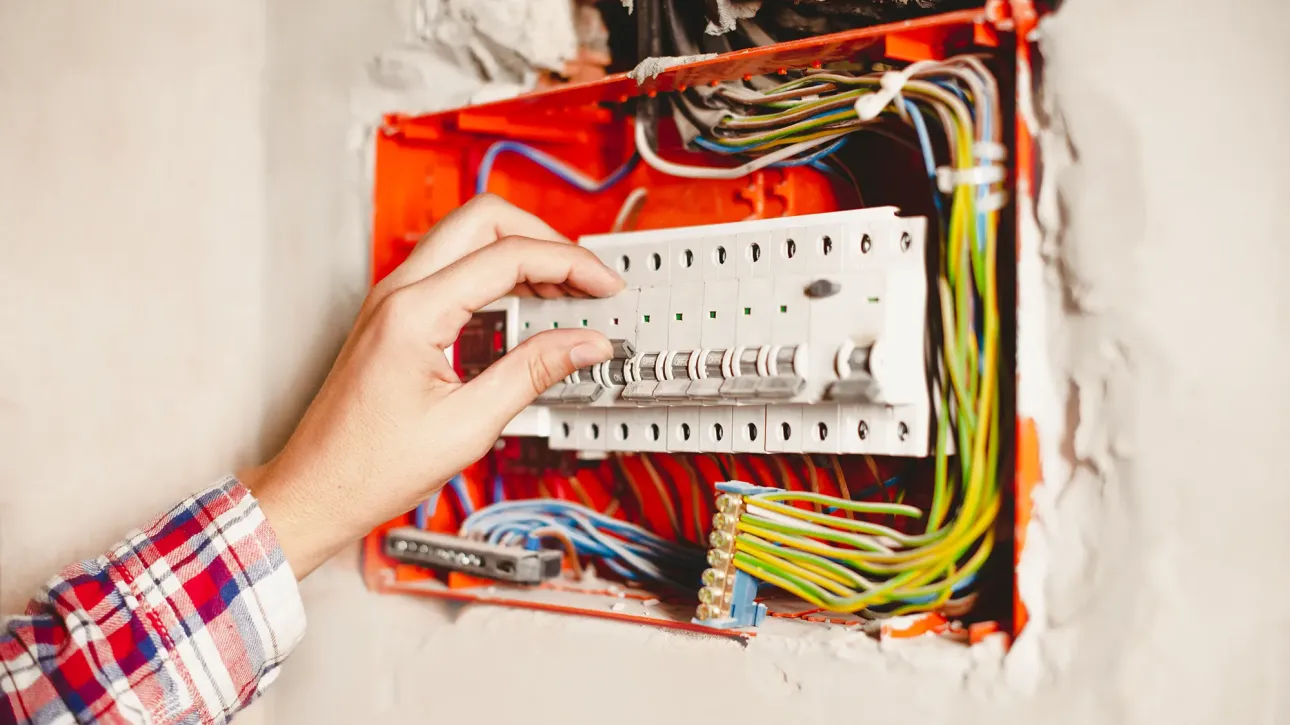
What Lenders Require vs. What Buyers Request
Not all electrical findings carry equal weight. The distinction between what a lender requires and what a buyer requests determines how you should respond.
Lenders require — these cannot be satisfied with a credit:
- Recalled panel brands replaced — FHA and VA flag these automatically
- Active electrical hazards resolved — exposed wiring, fire risks, non-functional systems
- GFCI protection in required areas
- Any item the appraiser notes as a safety concern
Buyers may additionally request:
- Full panel upgrades for older-but-not-recalled panels
- AFCI breakers in bedrooms — current code but not retroactively required on older homes
- Service amperage upgrades for modern electrical load
If your buyer is using an FHA or VA loan, a recalled panel must be replaced before closing. Offering a credit does not satisfy the lender condition. The underwriter will not clear the file until the physical repair is done and documented. Sellers who try to credit their way through this requirement lose weeks.
Major electrical work can have insurance implications too. For Texas homeowners, ProCo Insurance at procotexas.com works with multiple carriers and handles these situations regularly.
Frequently Asked Questions
Are electrical code violations common on Fort Worth area inspection reports?
Very common, especially in homes built before 1990. Fort Worth, Hurst, Euless, and North Richland Hills all have significant older housing stock where GFCI outlets, older panels, and aluminum wiring show up regularly on inspection reports. These findings are well understood by local contractors and most are resolved quickly.
Do I have to replace a Federal Pacific panel if my buyer is paying cash?
No lender is involved so there is no underwriting condition to satisfy. However, buyers often still request it because the panel’s history is widely documented. Whether you replace it or credit it is a negotiation between you and the buyer.
How long does electrical repair work take in DFW?
GFCI outlet installation for a full house takes a few hours. Panel replacement takes one full business day but requires a permit, which adds a few days. Start panel replacement on Day 1 if your report flags it.
Does Fix Before Closing handle electrical repairs across all service areas?
Yes. We handle electrical repairs in Keller, Fort Worth, Southlake, Grapevine, North Richland Hills, Hurst, Euless, Roanoke, Saginaw, and Haslet.
Submit repair requests anytime here:
Repair Request Form
Contact us today:
-
- Email: manager@fixbefore.com
- Phone: 817-438-0079
- Email: manager@fixbefore.com