IN THIS ARTICLE
- Why Hail Damage Shows Up on DFW Inspection Reports
- The Difference Between Cosmetic and Functional Hail Damage
- How Inspectors Document Hail Damage in Texas
- What Buyers Agents Do With Hail Damage Findings
- What Insurance and Lenders Require on Hail-Damaged Roofs
- Repair Versus Replacement: How DFW Sellers Decide
- How Hail Damage Repair Works Before Closing
- How Fix Before Closing Handles Hail Damage Scopes
- Frequently Asked Questions
Spring in DFW brings hail. Not occasionally. Consistently. The Dallas-Fort Worth Metroplex sits in one of the most active hail corridors in the country, and the inspection reports that come back during April, May, and June reflect that reality. Hail damage findings are among the most common roof-related observations in DFW transactions during spring selling season.
When hail damage appears on an inspection report, sellers often assume the deal is in trouble. The reality is more manageable than that assumption suggests. Hail damage findings fall into a spectrum from cosmetic impacts that do not affect the roof’s function to functional damage that requires repair before the loan will close. Understanding where a specific finding falls on that spectrum is the first step toward resolving it.
Fix Before Closing works with real estate agents and home sellers across DFW on post-inspection repair amendments that include hail damage scope. Here is what sellers need to know when hail damage shows up on the inspection report.
Why Hail Damage Shows Up on DFW Inspection Reports
The Dallas-Fort Worth area receives significantly more hail events per year than the national average. Large hail, defined as one inch in diameter or greater, causes functional damage to roofing materials including asphalt shingles, metal components, and flashing. Even moderate hail that falls short of the functional damage threshold leaves visible impacts on shingle surfaces that inspectors document in the report.
DFW homes accumulate hail history over their lifetime. A roof installed in 2010 has been through a decade and a half of hail seasons. Inspectors note not just current damage but evidence of historical impacts. That accumulation means even a roof in serviceable condition can produce a hail damage finding that generates buyer concern.
Spring inspections in DFW are particularly likely to include hail findings because the spring storm season begins before most sellers have had time to file insurance claims or initiate repairs on their own. A hail event in March can produce inspection findings on homes that went on the market in April before the seller even knew the event occurred.
The Difference Between Cosmetic and Functional Hail Damage
The most important distinction in any hail damage finding is whether the damage is cosmetic or functional. This determination drives everything from the repair scope to the lender’s response to the buyer’s negotiating position.
Cosmetic Hail Damage
Cosmetic damage from hail includes surface granule loss from asphalt shingles, minor impact marks on metal components, and aesthetic changes to the roofing surface that do not affect the roof’s ability to keep water out. A shingle with granule loss from hail impacts is visually impacted but may still have years of functional life remaining. Cosmetic damage alone does not require immediate repair and does not typically trigger lender requirements on conventional loans.
Functional Hail Damage
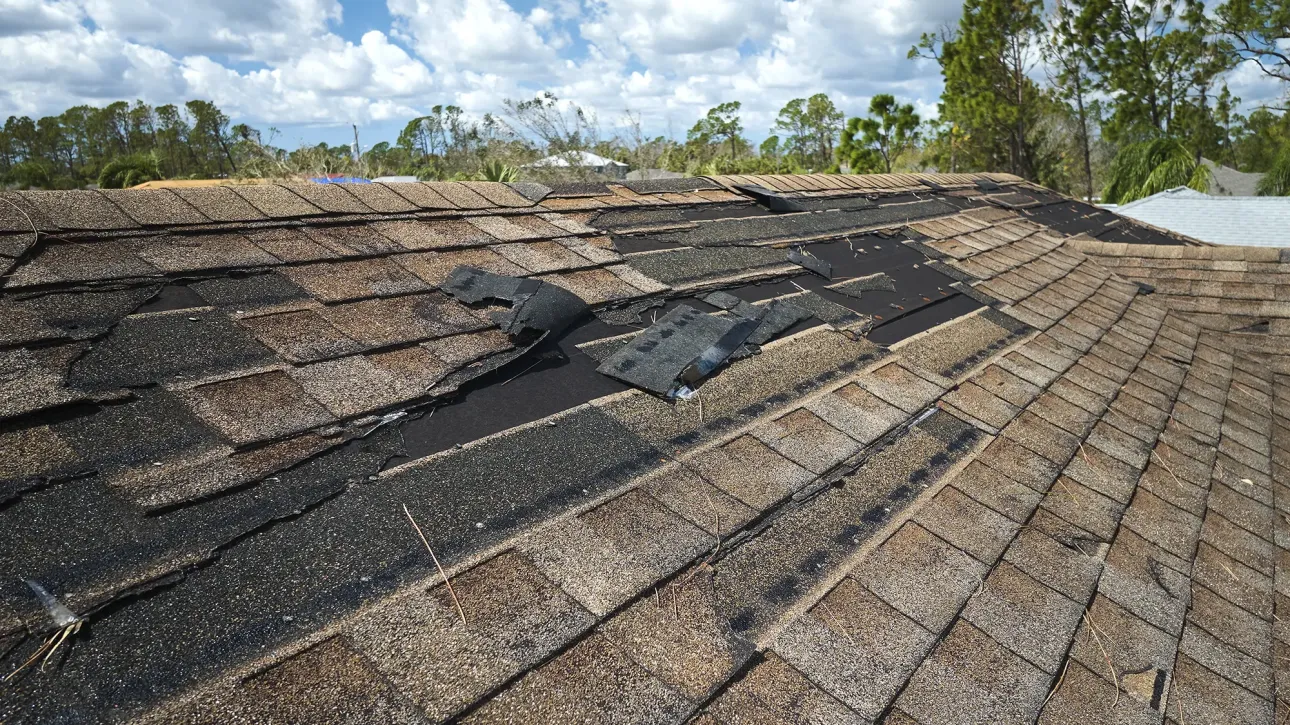
Functional damage is damage that compromises the roof’s ability to perform its primary purpose of keeping water out of the structure. Cracked or bruised shingles where the mat is damaged, hail impacts that have breached the waterproofing layer, and damage to flashing and metal components that creates water entry points all constitute functional damage. Functional hail damage requires repair or replacement and will be flagged by FHA and VA appraisers as a condition for funding.
Age and Condition Interaction
A roof’s age interacts with hail damage in ways that affect the repair versus replacement decision. A five-year-old roof with moderate hail impacts can typically be repaired with targeted shingle replacement. A fifteen-year-old roof with accumulated hail damage from multiple storm events may be at or near the end of its functional life regardless of the current hail finding. That distinction affects whether repair or replacement is the right scope for the amendment.

Step 1: Submit Your Repair Amendment
Your agent submits the repair amendment through the form at fixbeforeclosing.com/repair-request/. Include the inspection report for context and photos. The amendment drives the scope.
Step 2: Receive Your Line-Item Estimate
We send back a complete estimate covering every item on your amendment. Clear pricing per item. No vague allowances. No surprises when the work is done.
Step 3: We Handle Everything to Completion
We coordinate all licensed contractors, schedule directly with your seller, complete every repair, and hand you photos, receipts, and completion certificates for your closing file.
How Inspectors Document Hail Damage in Texas
Texas home inspectors follow specific standards for documenting roof conditions including hail damage. Understanding how inspectors document these findings helps sellers and agents interpret the report accurately.
Visual Inspection
Inspectors walk the roof and note visible evidence of hail impacts. Impact patterns on shingles, bruising on asphalt shingles where the mat is visible through the granule surface, and damage to metal flashing, gutters, and vents are all documented. Inspectors typically note the extent of the damage using general terms like scattered impacts or widespread damage rather than a precise count or square footage assessment.
Age and Prior Damage Notes
Inspectors frequently note the estimated age of the roof and whether prior repairs or damage patterns are visible. A roof with two generations of hail impacts visible under current granule loss tells a different story than a newer roof with a single hail event documented. These contextual notes affect how buyers agents interpret the finding and what they include in the amendment.
Limitation Language
Most inspection reports include language noting that the inspector’s assessment is visual only and that a roofing contractor evaluation may be needed for a definitive assessment. This language is standard and does not indicate that the inspector found something beyond their ability to evaluate. It is a liability protection statement that buyers agents sometimes use to request a separate roofing contractor evaluation as part of the amendment.
What Buyers Agents Do With Hail Damage Findings
Buyers agents have a range of responses to hail damage findings depending on the severity of the documentation, the age of the roof, the loan type, and how motivated the buyer is to close. Here is the typical range of responses.
Request a Roofing Contractor Evaluation
The most common response to hail damage in the inspection report is a request for an independent evaluation by a licensed roofing contractor. This evaluation determines whether the damage is cosmetic or functional, whether repair or replacement is appropriate, and what the scope and cost will be. This evaluation request often appears alongside the formal repair amendment items.
Request Repair or Replacement
If the inspection report documents clear functional damage, the buyer’s agent will include a repair or replacement request in the amendment. Whether they request targeted repair of damaged areas or full replacement depends on the extent of the damage and the age of the roof. Buyers agents on FHA and VA transactions will almost always request resolution of functional hail damage because their lender requires it.
Request an Insurance Claim
In some DFW transactions, buyers agents request that the seller file a homeowners insurance claim for hail damage rather than paying for repairs directly. This approach works when the damage is clearly from a storm event and the seller’s insurance covers it. The seller initiates the claim, the insurance company assesses the damage, and the repair or replacement is funded through the insurance payout. This option is worth discussing with an insurance professional when hail damage is in the amendment. For insurance guidance specific to DFW homeowners, ProCo Insurance works with sellers and agents navigating property damage claims in the local market.
Negotiate a Credit
On conventional transactions where the lender does not require documented repair, buyers sometimes accept a closing cost credit in lieu of actual roof repair. The credit amount is negotiated based on the estimated repair or replacement cost. This option is not available on FHA and VA transactions where functional hail damage is a lender condition.
What Insurance and Lenders Require on Hail-Damaged Roofs
The lender and the homeowners insurance carrier respond to hail damage findings differently, and understanding both requirements helps sellers navigate the amendment negotiation.
FHA and VA Lender Requirements
FHA and VA appraisers are required to flag roofing conditions that allow or are likely to allow water entry. Functional hail damage falls into this category. When an FHA or VA appraiser notes the condition, the lender requires documented repair or replacement by a licensed roofing contractor before the loan funds. The documentation must include photos, receipts, and a completion certificate from the contractor.
Conventional Lender Response
Conventional lenders are less prescriptive about roofing conditions unless the appraiser specifically flags a condition that affects the property’s value or habitability. Cosmetic hail damage on a roof in otherwise serviceable condition may not trigger a lender requirement on a conventional transaction. Functional damage that a conventional appraiser notes is more likely to generate a repair condition.
Homeowners Insurance
Homeowners insurance policies that cover hail damage typically pay for repair or replacement of functional damage from a covered storm event. The policy deductible, the age of the roof, and the insurance carrier’s assessment all factor into the payout. If the seller has not filed a claim for known hail damage, the amendment negotiation may prompt that conversation. New buyers will also need homeowners insurance at closing, and significant unresolved hail damage can affect their ability to obtain coverage at standard rates.
Repair Versus Replacement: How DFW Sellers Decide
The repair versus replacement decision on hail-damaged roofs is one of the most consequential choices in a DFW inspection amendment negotiation. Here is the framework sellers and agents use to make this decision.
Age of the Roof
A roof under ten years old with moderate hail damage from a single event is typically a repair candidate. Targeted replacement of damaged shingles and repair of flashing impacts addresses the finding without requiring full replacement. A roof over fifteen years old with accumulated damage from multiple events is often better addressed with replacement. The cost difference between repair and replacement narrows as the roof ages because partial repairs on an older roof do not extend its useful life in a way that satisfies buyers or lenders.
Extent of the Damage
If hail impacts are concentrated in one or two roof sections, targeted repair is typically the right approach. If damage is distributed across the entire roof surface, the cost of targeted repair approaches the cost of replacement and replacement becomes the more logical choice. A licensed roofing contractor evaluation is the only reliable way to make this determination.
Insurance Coverage
If the damage is from a storm event covered by the seller’s homeowners insurance, the insurance payout may make replacement financially viable even if repair would technically be sufficient. Sellers in this situation should get a roofing contractor evaluation before filing the claim so the claim is documented accurately from the start.
How Hail Damage Repair Works Before Closing
Once the repair scope is determined and the amendment is executed, hail damage repair before closing follows the same compressed timeline as other inspection repair trades. There are two additional factors specific to roofing that sellers need to account for.
Weather dependency. Roofing work cannot be performed safely during rain or high wind. DFW spring weather includes rain events that can push scheduled roofing work by one to three days. Build buffer time into any closing schedule that includes a roofing scope. Submitting the amendment to a contractor as early as possible after execution gives the maximum buffer against weather delays.
Material availability. After a significant hail event in DFW, roofing contractors across the market experience demand spikes and material supply pressure simultaneously. Shingles that match an existing roof color and profile may need to be ordered. Account for material lead time when the amendment includes hail damage repair or replacement.
How Fix Before Closing Handles Hail Damage Scopes
Fix Before Closing coordinates with licensed roofing contractors on hail damage repair and replacement scopes that appear in post-inspection repair amendments. We handle the estimate, the scheduling, the work coordination, and the documentation for the closing file.
Submit your repair amendment through fixbeforeclosing.com/repair-request/. Include the closing date and any lender or re-inspection requirements. We return a line-item estimate covering every item on the amendment including the roofing scope. Once approved, we schedule the roofing contractor and all other trades in the amendment, coordinate with the seller for access, and deliver photos, receipts, and completion certificates before the closing deadline.
If the amendment includes both a hail damage roofing scope and other trades, we run all trades in parallel to protect the closing date. The roofing scope gets scheduled first given its weather dependency and potential material lead time.
Frequently Asked Questions
Does hail damage on an inspection report mean the deal is going to fall apart?
No. Hail damage is one of the most common inspection findings in DFW during spring selling season. Whether it delays or terminates a deal depends on whether the damage is cosmetic or functional, the loan type, and how the seller responds to the amendment. Most hail damage findings are resolved with targeted repair or replacement and proper documentation.
What is the difference between cosmetic and functional hail damage on a roof?
Cosmetic damage affects the appearance of roofing materials but does not compromise their ability to keep water out. Functional damage breaches the waterproofing layer, cracks shingle mats, or damages flashing and metal components in ways that allow or risk water entry. Cosmetic damage rarely triggers lender requirements on conventional loans. Functional damage is flagged by FHA and VA appraisers and requires documented repair before those loans close.
Should a seller file an insurance claim for hail damage found on the inspection report?
It depends on the extent of the damage and the seller’s policy. If the damage is from a covered storm event and is significant enough to warrant a claim, filing is worth discussing with the seller’s insurance carrier. For guidance on DFW homeowners insurance and hail damage claims, ProCo Insurance works with homeowners and agents in the local market.
How long does hail damage repair take before a DFW closing?
Targeted repair of hail-damaged shingles and flashing typically takes two to four business days for the actual work. Weather delays and material availability can extend that window. Factor in one to three additional business days of buffer when building the closing schedule around a roofing scope.
What DFW cities does Fix Before Closing serve for hail damage repairs?
We serve ten cities: Keller, Fort Worth, Euless, Grapevine, Haslet, Hurst, North Richland Hills, Roanoke, Saginaw, and Southlake, and many more. Submit your repair amendment at fixbeforeclosing.com/repair-request/ and we will confirm coverage and timeline right away.
What DFW cities does Fix Before Closing serve?
Fix Before Closing serves 10 cities across DFW: Fort Worth, Keller, Euless, Grapevine, Haslet, Hurst, North Richland Hills, Roanoke, Saginaw, and Southlake. Submit your repair amendment and we will confirm coverage right away.
Licensed contractors. Line-item estimates. Every repair documented for your closing file.

“Repair coordination after inspection is operational work. It does not require your license, your client relationships, or your negotiation skills. It just requires time. And that is the one thing you cannot keep giving away.”
Brennan Harvey
Project Manager | Fix Before Closing | Keller, TX