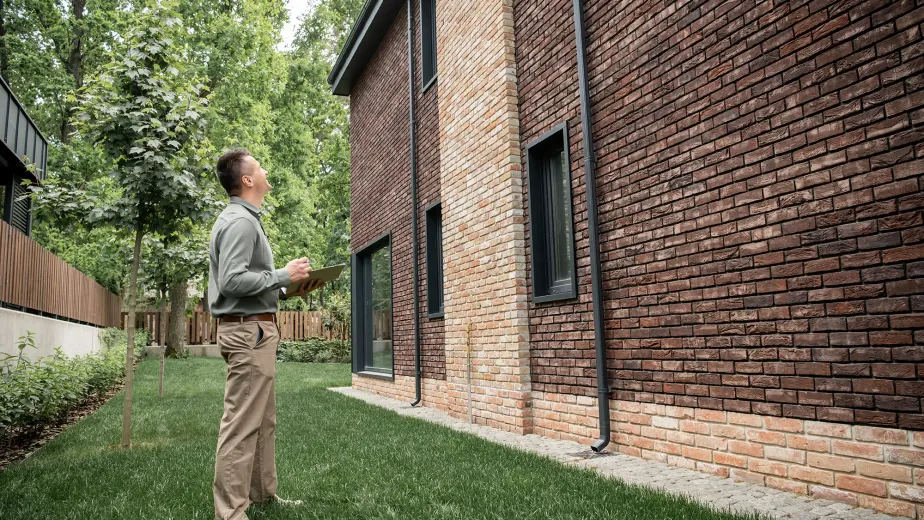
The inspection report is in. Your buyer’s agent sent over a list of requested repairs. Your agent is asking: do you want to fix these or offer a credit?
It sounds like a simple question. It is not. The repair vs credit decision is one of the most consequential calls a DFW seller makes after inspection. Most sellers default to credits because it feels easier, or they agree to fix everything without understanding what they are committing to.
Here is the framework that actually works for sellers in Fort Worth, Keller, Southlake, and across Tarrant County. What to fix, what to credit, and how to avoid the mistakes that cost sellers thousands.

The Rule That Changes Everything: Some Repairs Are Not Optional
Before any strategy conversation, understand one thing sellers in DFW frequently learn too late:
If your buyer is using an FHA, VA, or certain conventional loans, some repairs must be physically completed before closing. A credit does not satisfy a lender condition.
Lenders issue appraisal conditions. When an appraiser flags a health or safety issue, the condition stays open until the physical repair is done and documented. You can offer a credit and the loan still will not fund. The underwriter is not looking for a credit. They are looking for a completion certificate from a licensed contractor.
Lender-required repairs that cannot be substituted with a credit:
- Recalled electrical panel brands — FHA and VA flag these automatically. Federal Pacific and Zinsco panels are common in Fort Worth and Keller homes built before 1985.
- Active roof leaks or structural roof damage
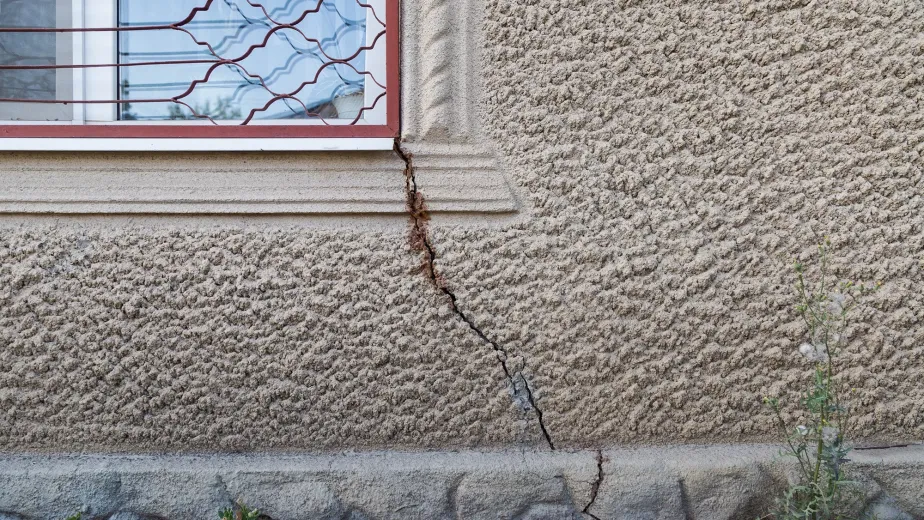
- Foundation issues affecting structural integrity
- Non-functional heating systems — critical in North Texas winters
- Plumbing creating active water damage or health hazards
- Missing handrails on stairs
- Peeling exterior paint on FHA loans
- Evidence of active pest infestation on VA loans
Identify these first. Get them scheduled immediately. Do not spend time negotiating on items that are not actually negotiable. Every day spent debating a lender-required item is a day your closing deadline gets closer.
When Completing the Repair Is the Right Call
The Repair Costs Less Than the Credit Demand
Buyers routinely request more than the actual repair cost when asking for credits. They factor in uncertainty, inconvenience, and their own contractor selection risk. A repair that costs a few hundred dollars becomes a credit request well above that.
If you can confirm the actual repair cost with a licensed contractor quote and complete the work before closing, you almost always come out ahead financially.
The Repair Is Fast and You Have Time
Most inspection-flagged items that licensed contractors handle regularly — GFCI outlets, minor plumbing, HVAC service calls, roof flashing — can be completed quickly. If your closing is two or more weeks out, there is usually time to complete the repair cleanly.
The DFW sellers who get in trouble are the ones who wait. They spend two weeks going back and forth on credits, then discover on Day 15 that a repair the lender requires is still not done.
The Buyer Is Nervous and Needs Confidence
A documented repair removes a concern entirely. A credit keeps the concern on paper and in the buyer’s mind through closing. First-time buyers especially respond differently to ‘we fixed it, here is the contractor documentation’ versus ‘we will give you money to deal with it later.’
When buyers are already uncertain, completed repairs with professional documentation build more closing confidence than credits do.
You Are in a Competitive Market
In a slower DFW market where buyers have options, unresolved inspection items give them reasons to look elsewhere. Completing the obvious, affordable fixes removes the friction that stalls deals.
When Offering a Credit Makes Sense
The Buyer Is Requesting Upgrades, Not Repairs
Buyers sometimes dress up upgrade requests as repair demands. Full HVAC system replacement on a functioning unit. New flooring over functional existing floors. Appliance upgrades beyond what failed inspection. These are preference items, not defect repairs.
A credit makes sense here because you are not obligated to pay for what amounts to a buyer’s renovation wish list. Offer a credit tied to actual replacement cost for failed components, not the full upgrade they are requesting.
The Timeline Will Not Support the Repair
If closing is eight days out and the repair requires a specialty contractor with a two-week lead time, a credit is the only realistic path. Know your timeline before committing to repairs. Agreeing to fix something you cannot complete before closing creates a breach issue, not just an inconvenience.
Before agreeing to any repair, confirm with a licensed contractor that the work can be finished with at least three days of buffer before closing.
The Item Is Cosmetic or Preference-Based
Paint. Landscaping style. Cabinet hardware. Light fixture aesthetics. These are not inspection defects. They are personal preferences. A modest credit acknowledges the buyer’s concern without committing you to specific work you cannot control.
You Cannot Control the Quality
If you are out of state, do not have a contractor network, or cannot be present to oversee work, a rushed repair can create more problems than it solves. Buyers and inspectors spot poor workmanship immediately. In these cases, a credit with actual quotes attached is cleaner than rushed work you cannot stand behind.

How to Value a Credit That Buyers Actually Accept
Sellers who offer credits without backing them up with real numbers almost always get countered. Buyers assume estimates are inflated. Without evidence, they push back.
The right way to value a credit:
- Get actual quotes from licensed contractors for the specific repair
- Offer the repair cost as the credit, not a rounded guess
- Include the written estimates in your counter-offer response
- Your agent should frame it as: This credit is based on quotes from licensed contractors
Buyers who receive a specific credit amount with contractor estimates behind it are far less likely to counter. The negotiation shifts from who can argue harder to what the repair actually costs.
The Hybrid Approach Most DFW Transactions Use
In most Tarrant County closing situations, the right answer is not repair everything or credit everything. It is both, applied strategically.
- Complete all lender-required repairs first. No exceptions. Schedule these on Day 1.
- Fix the affordable, fast items where the math favors completing work over crediting.
- Credit the expensive, time-consuming items backed by actual contractor estimates.
- Credit preference and cosmetic items with a modest, documented amount.
Sellers who triage the inspection report within 24 hours, separate must-fix from can-credit, and schedule licensed contractors immediately keep their closing dates. Sellers who wait and try to negotiate everything lose time they do not have.
Frequently Asked Questions
Do VA loan repairs always have to be physically completed in DFW transactions?
Yes. For VA loans, any item the appraiser classifies as a safety or habitability concern must be physically completed with documentation. A credit does not satisfy the VA condition. This is common on Fort Worth and Keller transactions where military buyers use VA financing.
How fast can Fix Before Closing turn around lender-required repairs in Tarrant County?
Submit your inspection report through the form at FixBeforeClosing.com and we will triage every item and send back a line-item estimate. We coordinate all licensed contractors so you are not chasing multiple vendors while your option period runs out.
What if the buyer is asking for repairs that seem unreasonable?
Get real contractor quotes first. Once you have actual numbers, a lot of unreasonable-sounding requests either become reasonable or become easy to counter with documented evidence. Your agent handles the negotiation. We handle the repair execution.
Do you serve all of Tarrant County?
Yes. We serve Keller, Fort Worth, Southlake, Grapevine, North Richland Hills, Hurst, Euless, Roanoke, Saginaw, and Haslet.
Submit repair requests anytime here:
Repair Request Form
Contact us today:
-
- Email: manager@fixbefore.com
- Phone: 817-438-0079
- Email: manager@fixbefore.com