IN THIS ARTICLE
- How Water Damage Shows Up on DFW Inspection Reports
- The Difference Between Active and Past Water Intrusion
- The 6 Most Common Water-Related Findings in DFW Transactions
- What Buyers Agents Do With Water Damage Findings
- What Lenders Require When Water Damage Is in the Amendment
- How to Evaluate the Real Scope Before Panicking
- How Fix Before Closing Handles Water Damage Repairs
- Frequently Asked Questions
Water damage is one of the most alarming things a seller sees on an inspection report. The language inspectors use is clinical but the implications feel serious. Moisture intrusion. Active staining. Evidence of past water penetration. These phrases send sellers into negotiation anxiety before they have any idea what the repair actually involves.
Here is the reality: most water damage findings on DFW inspection reports are repairable. The inspection report documents what the inspector observed. It does not diagnose the cause, quantify the extent, or determine what the repair costs. That comes later, with a licensed contractor who can evaluate the specific finding.
Fix Before Closing handles water damage repair scopes for real estate agents and home sellers across Dallas-Fort Worth. Here is what sellers and agents need to know when water damage shows up on the inspection report.
How Water Damage Shows Up on DFW Inspection Reports
Inspectors document water-related findings in several ways depending on what they observe. The language in the report matters because it affects how the buyer’s agent will frame the amendment and how the lender will evaluate the finding.
Visual Staining
The inspector notes water staining on ceilings, walls, or floors. Staining indicates that water has been present at some point. It does not confirm whether the source is still active. Staining on its own is a finding that typically requires further evaluation to determine whether it represents a resolved past issue or an ongoing problem.
Moisture Readings
Inspectors use moisture meters to test building materials. A reading above the normal range in a wall, floor, or ceiling indicates elevated moisture content. Elevated readings suggest current or recent moisture presence. Inspectors will note the location and the reading. This finding moves faster to a contractor evaluation than visual staining alone because the moisture is measurable.
Active Leaks
Active leaks are the most urgent water damage finding. The inspector identifies water that is currently entering the structure from a roof penetration, plumbing failure, or foundation drainage issue. Active leaks need to be addressed immediately and are almost certain to appear in the buyer’s repair amendment.
Evidence of Past Repairs
Inspectors frequently note evidence of previous water intrusion that appears to have been repaired. Patched drywall in a consistent location, replaced flooring in a specific area, or paint color variations on a ceiling are all indicators of past repairs. These findings generate follow-up questions from buyers agents about whether the source was properly identified and corrected.
The Difference Between Active and Past Water Intrusion
The distinction between active and past water intrusion is the most important determination in any water damage finding on an inspection report. It drives the repair scope, the cost, and the lender’s response.
Active intrusion means water is currently entering the structure. This requires identifying the source, stopping the entry, and repairing any damage the moisture has caused. Active intrusion from a roof leak, plumbing failure, or foundation drainage problem is a real finding that requires immediate attention and cannot be resolved with cosmetic repairs.
Past intrusion means water entered at some point but the source has been resolved or is no longer active. Staining and patched areas that test dry on a moisture meter suggest past intrusion that is no longer active. Buyers agents will still push for documentation that the source was identified and addressed, but the repair scope is typically much smaller than active intrusion.
A licensed contractor evaluating the specific finding can distinguish between the two in most cases. That evaluation should happen before the seller responds to the amendment, not after.

Step 1: Submit Your Repair Amendment
Your agent submits the repair amendment through the form at fixbeforeclosing.com/repair-request/. Include the inspection report for context and photos. The amendment drives the scope.
Step 2: Receive Your Line-Item Estimate
We send back a complete estimate covering every item on your amendment. Clear pricing per item. No vague allowances. No surprises when the work is done.
Step 3: We Handle Everything to Completion
We coordinate all licensed contractors, schedule directly with your seller, complete every repair, and hand you photos, receipts, and completion certificates for your closing file.
The 6 Most Common Water-Related Findings in DFW Transactions
DFW’s climate and housing stock produce consistent water-related inspection findings. These six categories represent the most frequent water damage observations in local transactions.
Roof Leak Staining
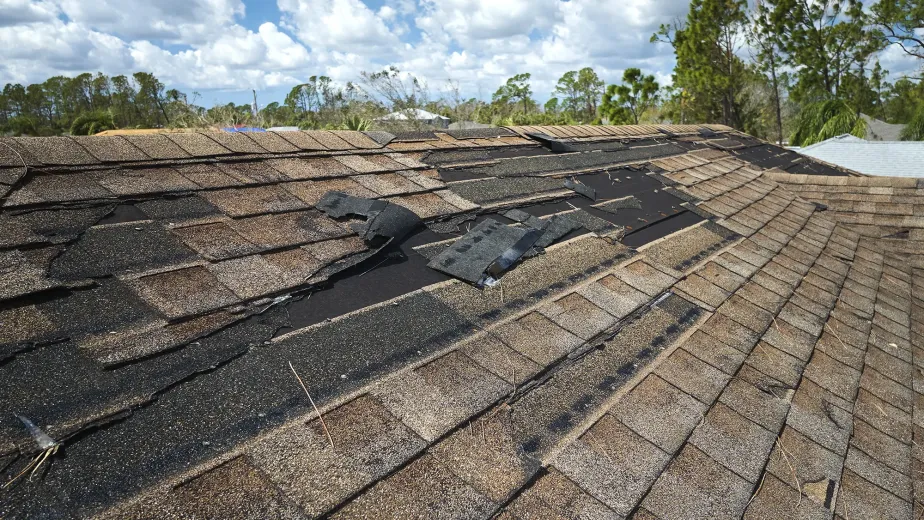
Ceiling staining in upstairs rooms or around attic hatches is one of the most common water findings in DFW. Spring hail damage, aging flashing around penetrations, and deteriorating pipe boot seals all create entry points for water. The stain is visible evidence of a past or current entry point. The repair involves identifying the source, sealing or replacing the failing component, and in some cases replacing stained drywall or ceiling material if the damage is significant.
Plumbing Supply Line Failures
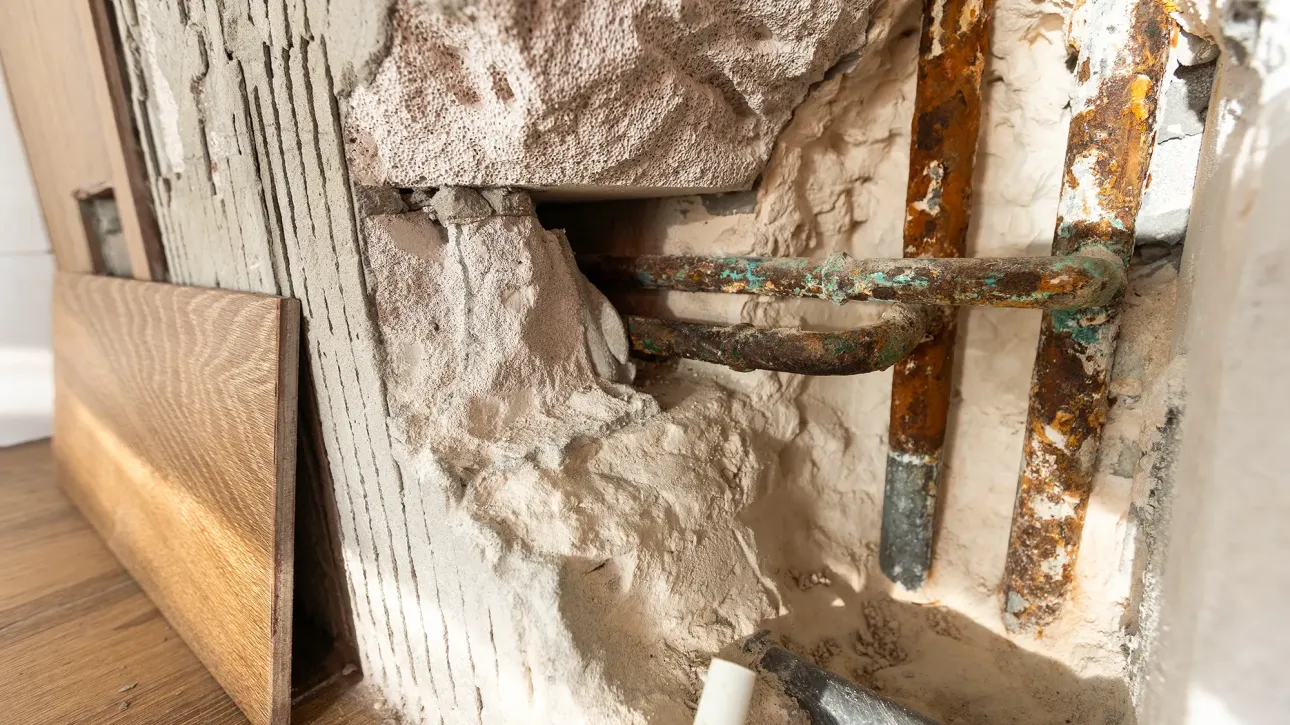
DFW’s hard water accelerates deterioration on flexible supply lines under sinks and behind toilets. When a supply line fails, water enters the cabinet or the subfloor before the leak is discovered. Inspectors find the evidence as staining or soft spots in the cabinet floor. The repair involves replacing the supply line, addressing any cabinet or subfloor damage, and documenting the completed work.
Shower Pan and Tile Failures
Shower pans and tile grout failures allow water to penetrate into the substrate behind and below the shower enclosure. This finding shows up as moisture readings in adjacent walls or soft spots in bathroom floors. The repair scope depends on the extent of the penetration. Minor grout failures can be addressed with targeted resealing. Significant pan failures may require more extensive tile work.
Foundation Drainage Issues
DFW homes on clay soil are vulnerable to moisture intrusion when foundation drainage is inadequate. Negative grading toward the foundation, improper downspout termination, and landscape beds that hold water against the foundation all contribute to moisture readings in crawl spaces or lower-level walls. This finding requires evaluating the drainage conditions and in some cases installing drain correction measures before the repair is complete.
HVAC Condensate Drain Overflow
HVAC systems produce significant condensate that drains away from the unit through a condensate line. When the condensate line clogs or the drain pan fails, water overflows into the ceiling or wall cavity below the air handler. This finding is particularly common in DFW during the heavy cooling season. The repair involves clearing or repairing the condensate system and addressing any water damage to adjacent materials.
Window and Door Frame Intrusion
Failing sealant around window frames and door frames allows water to penetrate during DFW’s heavy rain events. Inspectors find evidence of this intrusion as staining inside the frame or moisture readings in the surrounding wall. The repair involves resealing the frame exterior, addressing any damaged interior framing or drywall, and applying appropriate interior finish to the affected area.
What Buyers Agents Do With Water Damage Findings
Water damage findings generate more buyer concern than almost any other category on the inspection report. Buyers agents know that water intrusion can indicate structural issues, mold risk, or ongoing maintenance problems that go beyond what is visible. How they handle the finding in the amendment depends on what the inspector documented and what additional information is available.
Request Repair and Documentation
The most common amendment response to a water damage finding is a request for repair by a licensed contractor with full documentation of the source, the repair, and the completed work. Buyers agents want to know the source was identified and fixed, not just that the visible staining was addressed. Documentation from a licensed plumber, roofer, or general contractor confirming the source and the repair is the standard expectation.
Request a Specialist Evaluation
For findings that suggest significant or ongoing water intrusion, buyers agents sometimes request an independent evaluation by a specialist before agreeing to the repair scope. A roofing contractor for roof-related findings, a plumber for plumbing-related findings, or a foundation specialist for drainage-related findings may be requested. This evaluation typically happens during the option period and its results inform the final amendment scope.
Request a Mold Test
When moisture readings are elevated and the intrusion appears to have been ongoing, buyers agents sometimes request a mold test before agreeing to close. This is not a mandatory step in every transaction but it comes up frequently on homes with significant water history. If a mold test comes back positive for actionable levels, the remediation scope and cost expand significantly. Fix Before Closing can coordinate with licensed mold remediation contractors when this situation arises.
What Lenders Require When Water Damage Is in the Amendment
The lender’s response to water damage findings depends on the loan type and the severity of the finding documented in the appraisal.
On FHA and VA transactions, appraisers are required to note conditions that affect the habitability or safety of the property. Active water intrusion, visible mold, and significant structural damage from moisture all qualify. When an FHA or VA appraiser notes these conditions, the lender requires documented proof of repair before funding. That documentation needs to come from licensed contractors.
On conventional transactions, lenders are generally less prescriptive about repair documentation unless the appraiser has flagged specific conditions. However, any repair listed in the executed amendment needs to be completed and documented before closing regardless of loan type.
How to Evaluate the Real Scope Before Panicking
The instinct when water damage appears in a report is to assume the worst. In most DFW transactions, the actual repair scope is significantly smaller than what the inspection report language suggests. Here is how to get a realistic picture quickly.
Get a Licensed Contractor on Site
The inspector’s report documents what was visible and measurable during the inspection. A licensed contractor who evaluates the specific finding can determine the source, assess the extent, and give a real repair scope with a real cost. That evaluation should happen as early as possible in the option period so the seller can respond to the amendment with specific information rather than guesses.
Distinguish Cosmetic From Structural
Water staining on drywall is often cosmetic. A moisture reading in a wall can indicate anything from a past one-time event to ongoing foundation drainage. The difference matters enormously for the repair scope and cost. A contractor who specializes in post-inspection repairs can make this distinction quickly and give the seller and agent accurate information before the negotiation escalates.
Document What You Find
Whatever the evaluation reveals, document it. If the source has been previously repaired and is no longer active, document that. If the source is identified and the repair is straightforward, document the repair plan. Documentation from a licensed contractor gives the buyer’s agent and the lender something concrete to work with rather than leaving the finding open to interpretation.
How Fix Before Closing Handles Water Damage Repairs
Fix Before Closing handles water damage repair scopes that appear in post-inspection repair amendments for DFW real estate agents and home sellers. We coordinate with licensed plumbers, roofing contractors, and general contractors depending on the source of the finding. Every repair is documented with photos, receipts, and completion certificates for the closing file.
Submit the repair amendment through fixbeforeclosing.com/repair-request/. Include the closing date and any lender or re-inspection requirements. We return a line-item estimate covering every item on the amendment. Once approved, we schedule all trades, coordinate with the seller, complete the work, and deliver documentation before the closing deadline.
Water damage findings do not have to delay your closing. They need to be addressed by licensed contractors with proper documentation. That is exactly what Fix Before Closing provides.
[INSERT BRENNAN HARVEY QUOTE BLOCK HERE — replace placeholder with actual quote from Brennan]
Frequently Asked Questions
Does water damage on an inspection report mean the deal is dead?
No. Most water damage findings on DFW inspection reports are repairable. The inspection report documents what the inspector observed. A licensed contractor evaluation of the specific finding determines the actual source, extent, and repair cost. In most cases the scope is manageable and the repair can be completed before the closing deadline.
What is the difference between active and past water intrusion?
Active intrusion means water is currently entering the structure from an identified source such as a roof leak, plumbing failure, or drainage issue. Past intrusion means water entered at some point but is no longer active. The distinction matters for the repair scope and the lender’s response. A contractor evaluation using moisture readings can distinguish between the two in most cases.
Does the buyer’s lender require water damage to be repaired before closing?
On FHA and VA transactions, appraisers are required to flag conditions affecting habitability including active water intrusion and visible moisture damage. When these conditions are flagged, the lender requires documented proof of repair before funding. On conventional transactions, any repair listed in the executed amendment must be completed and documented regardless of whether the lender specifically required it.
Can Fix Before Closing handle water damage repairs with a tight closing timeline?
Yes. Submit the repair amendment with the closing date through fixbeforeclosing.com/repair-request/ and we will build the schedule around your deadline. For complex water damage scopes that may require multiple trades, contact us directly at 817-438-0079 as soon as the amendment is executed.
What DFW cities does Fix Before Closing serve?
Fix Before Closing serves 10 cities across DFW: Fort Worth, Keller, Euless, Grapevine, Haslet, Hurst, North Richland Hills, Roanoke, Saginaw, and Southlake. Submit your repair amendment and we will confirm coverage right away.
Licensed contractors. Line-item estimates. Every repair documented for your closing file.

“Repair coordination after inspection is operational work. It does not require your license, your client relationships, or your negotiation skills. It just requires time. And that is the one thing you cannot keep giving away.”
Brennan Harvey
Project Manager | Fix Before Closing | Keller, TX