The inspection report is back and the plumbing section has findings. Maybe it is a slow drain, a leaking fixture, a water heater concern, or something more significant involving supply lines or the main. Whatever it is, your buyer is waiting on a response and your closing is weeks away.
Plumbing is one of the most commonly flagged categories on Texas home inspections. Some findings are quick fixes. Others require licensed plumbers and careful documentation. And a few , especially on FHA and VA transactions , must be resolved before the loan will fund.
Here is a straightforward breakdown of the plumbing issues Texas inspectors flag most often, what each one actually means, and how to handle them before closing.
Why Plumbing Shows Up on Almost Every Texas Inspection Report
Texas homes deal with a specific set of conditions that accelerate plumbing wear. Hard water , high in mineral content , is common across DFW, Austin, and San Antonio. It leaves calcium deposits inside supply lines, on valve seats, and around fixture connections that restrict flow and corrode fittings over time. Inspectors see the effects of hard water in homes throughout the state.
Older homes add galvanized steel pipe to the equation. Galvanized supply lines corrode from the inside out over decades, eventually reducing pressure, discoloring water, and failing at fittings. Homes built before the 1980s commonly have galvanized lines that inspectors flag on sight.
The combination of hard water, older pipe materials, and the volume of plumbing fixtures in a typical home means most inspection reports include at least a few plumbing items. Sellers who understand what each one requires can respond quickly and strategically rather than treating the entire plumbing section as a crisis.
The Most Common Plumbing Findings on Texas Inspections
Active Leaks at Fixtures or Connections
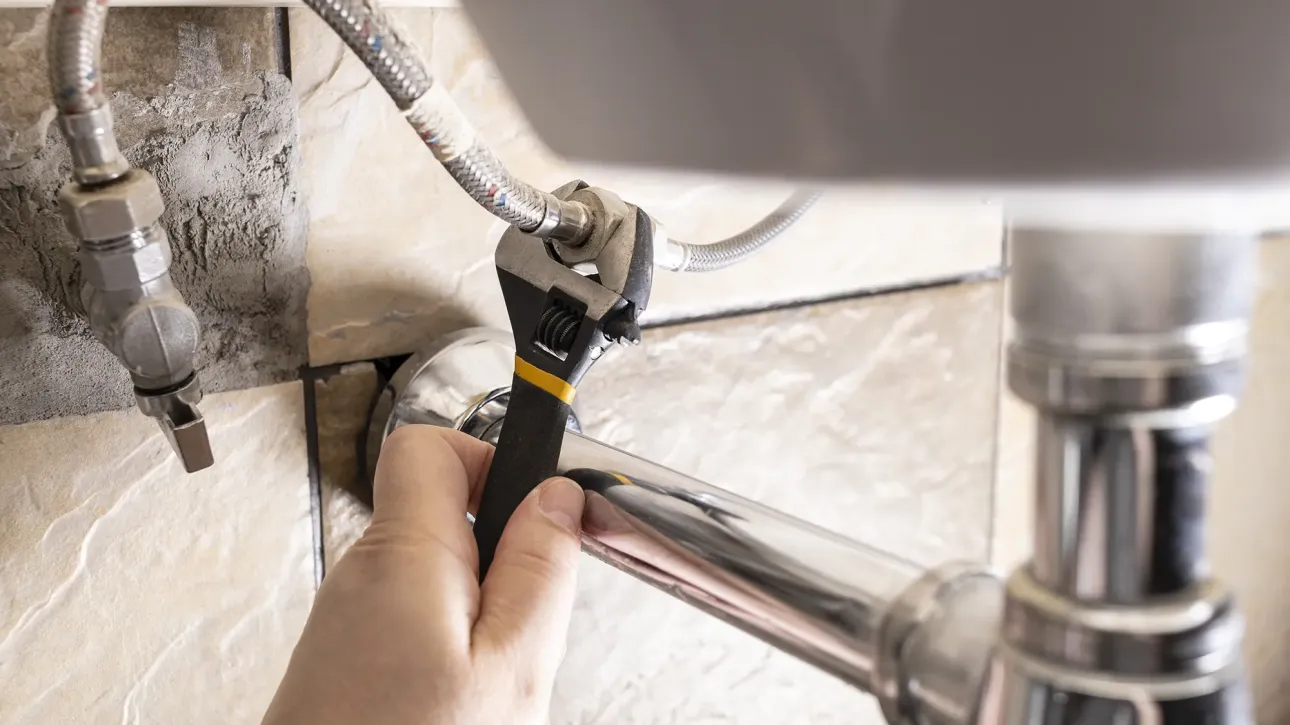
Active leaks are the highest-priority plumbing finding. A dripping faucet is annoying. Water under a sink cabinet, pooling around a toilet base, or leaking at supply line connections is a defect that buyers and lenders take seriously , and that can cause water damage to surrounding materials if left unaddressed.
Most active fixture leaks involve failed washers, worn valve seats, or corroded compression fittings. A licensed plumber can diagnose and repair these in a single visit. The fix is usually fast and affordable. The cost of not fixing it , in terms of buyer confidence and negotiation leverage , is disproportionately high relative to the repair cost.
If the inspector notes active water under a sink cabinet or around a toilet, address it immediately. Do not wait to see if the buyer pushes back on it. They will.
Water Heater Concerns
Water heater findings are among the most frequently flagged plumbing items on Texas inspection reports. Inspectors check age, condition, installation, and safety components. Common findings include:
- Pressure relief valve (PRV) corrosion or improper installation
- Missing or incorrectly terminated discharge pipe on the PRV
- Age comments , inspectors note when a water heater is approaching or past typical service life
- Improper combustion air supply on gas water heaters
- Lack of seismic strapping (required by code in some Texas jurisdictions)
- Water heater located in conditioned space without proper pan and drain
PRV issues and missing discharge pipes are lender-flagged safety items on FHA and VA transactions. They need to be corrected with documentation. Age comments alone , ‘water heater is 11 years old, near end of typical service life’ , are informational. They do not require replacement unless the unit is actually failing.
Do not replace a functioning water heater because the inspector noted its age. Verify whether the unit is working, check for active corrosion or PRV issues, and address those specifically.
Low Water Pressure
Low pressure findings usually indicate one of two things in Texas homes: mineral buildup restricting flow at aerators and showerheads, or corroding galvanized supply lines reducing flow throughout the home.
Aerator and showerhead buildup is a maintenance item. Aerators can be cleaned or replaced in minutes. This is not a repair that requires a plumber.
Galvanized line corrosion is a different situation. If pressure is low throughout the home and the supply lines are original galvanized steel, you are dealing with a pipe condition issue , not a fixture issue. The scope of correction ranges from targeted section replacement to full repipe depending on how far the corrosion has progressed. Get a licensed plumber’s assessment before agreeing to any specific scope.
Slow Drains
Slow drains are the most common minor plumbing finding on inspection reports. Inspectors note them because they indicate partial blockages that will eventually become full blockages. In most cases, slow drains are a maintenance issue , accumulated soap, hair, and debris , rather than a structural plumbing problem.
A licensed plumber can clear most slow drains in a single visit. This is one of the faster and more affordable plumbing repairs available. If the buyer flags it as a concern, completing the repair is almost always cheaper than the credit they would request.
The exception is a slow drain caused by root intrusion in the main sewer line or a damaged drain line. If multiple drains are slow throughout the home, a sewer scope inspection may be warranted before assuming it is a simple maintenance issue.
Outdoor Faucet and Hose Bib Issues
Outdoor faucets are checked during inspection and frequently show wear , leaking at the handle, failing anti-siphon valves, or frost damage on older non-frost-free models. These are straightforward repairs for a licensed plumber. Anti-siphon devices are a code requirement in Texas, and missing or failed ones get flagged consistently.
Outdoor faucet repairs are typically fast and low-cost. They are worth completing before re-inspection simply because they are visible and easy for buyers to test during a final walkthrough.
Sewer Line Concerns
When inspectors note evidence of slow drainage throughout the home, visible pipe damage, or trees near the main sewer line, they often recommend a sewer scope , a camera inspection of the main drain line from the home to the municipal connection. This is not included in a standard home inspection but can be ordered separately.
If a sewer scope reveals root intrusion, pipe collapse, or significant offsetting, you are dealing with a repair that ranges from targeted spot repair to full line replacement. This is one of the more significant plumbing findings a seller can face. Get the scope done early if drainage concerns are flagged , it determines the actual scope and cost before your buyer discovers it themselves and reacts accordingly.
How Texas Hard Water Affects Plumbing Inspection Findings
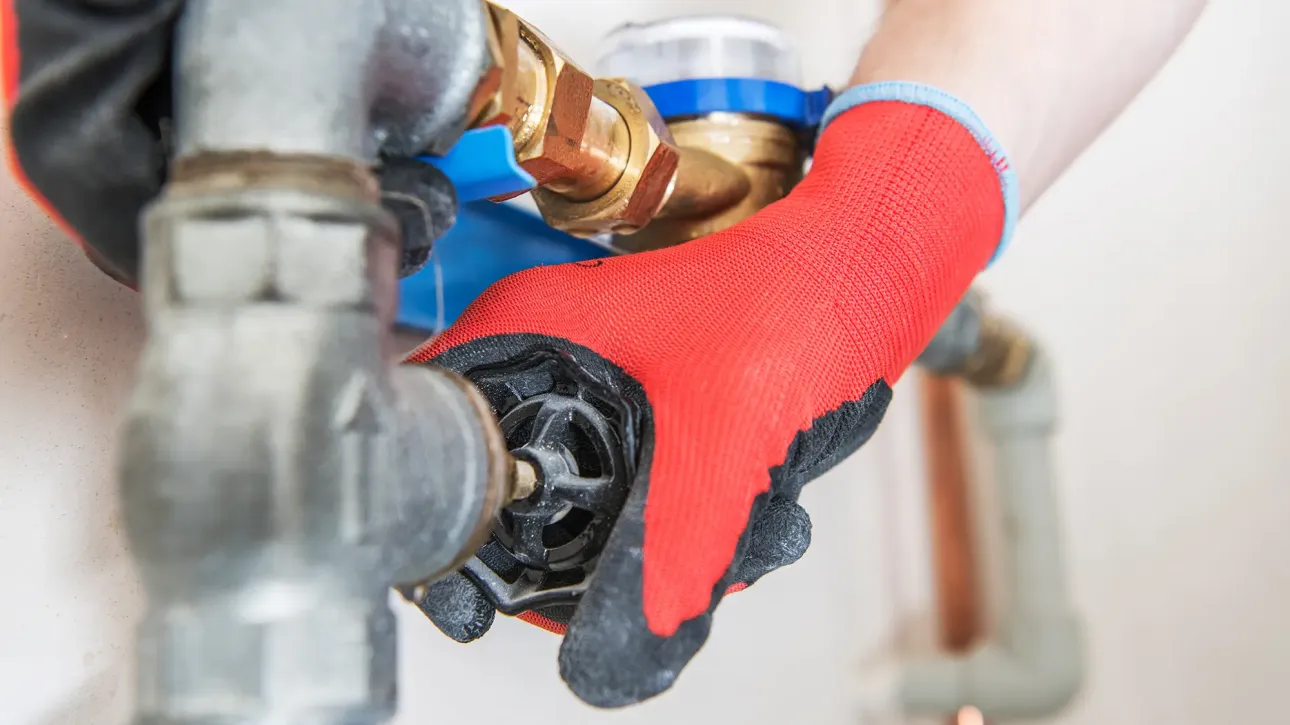
Hard water leaves mineral deposits on and inside plumbing components over time. Inspectors see the evidence of it regularly: white calcium buildup around faucet bases, restricted flow at aerators, corroded valve seats, and failing connections at fixture supply lines.
Most hard water effects are maintenance items that a plumber can address quickly. Aerators and showerheads can be replaced inexpensively. Fixture supply lines showing active corrosion should be replaced as part of any leak repair. The underlying hard water condition is not something a seller is expected to resolve , buyers in Texas understand the water.
Where hard water becomes a more significant finding is in water heaters. Sediment accumulation in the tank reduces efficiency, accelerates corrosion, and eventually affects performance. If an inspector notes sediment sounds in the water heater or visible scale at connections, it contributes to the age-related concern. A functioning unit with sediment buildup may not need immediate replacement, but it is worth having a plumber assess before dismissing the finding.
Lender Requirements for Plumbing Repairs
Not every plumbing finding triggers a lender condition, but several categories do , especially on FHA and VA loans:
- Active leaks creating water damage , lenders require resolution before funding
- Water heater PRV and discharge pipe deficiencies , safety-flagged items on government-backed loans
- Non-functional plumbing , any fixture or system that does not operate as intended
- Evidence of sewage backup or cross-connection , health hazard conditions
Conventional loan transactions have more flexibility, but active water damage and non-functional plumbing will still draw appraiser attention. If the appraiser notes a plumbing condition in the appraisal report, it becomes a lender condition regardless of loan type.
Identify which plumbing items on your report are likely to draw lender attention based on your buyer’s loan type. Handle those first. If your homeowners insurance covers any of the water damage resulting from a plumbing failure, connect with your insurance agent before spending out of pocket , it is worth the call before the repair.
Repair vs. Credit on Plumbing Items
The repair vs. credit framework applies to plumbing the same way it applies to other categories. Lender-required items must be repaired , credits do not satisfy underwriting conditions. For everything else, the decision comes down to cost and timeline.
Plumbing repairs that are fast and affordable , fixture leaks, PRV replacement, outdoor faucets, slow drain clearing , almost always make more financial sense to complete than to credit. Buyers routinely request credits at well above actual repair cost, and these items are inexpensive to fix with a licensed plumber.
Where credits make more sense: sewer line repairs with uncertain scope, full repipe situations where the buyer may want input on pipe material selection, or repairs where the timeline to get a licensed plumber scheduled does not fit within the closing window.
For landlords or property investors dealing with plumbing issues across multiple units, coordinating repairs systematically is a different challenge than a single-transaction closing. McCaw Property Management at mccawpropertymanagement.com handles maintenance coordination across residential portfolios in the Dallas-Fort Worth area for owners who need ongoing plumbing and systems management beyond the closing period.
Timelines for Common Plumbing Repairs
Active fixture leak repair:
- Typically completed in a single visit
- Timeline: 1-2 days to schedule and complete
Water heater PRV and discharge pipe:
- Completed same visit as diagnosis in most cases
- Timeline: 1-2 days
Water heater replacement:
- Unit availability and installation: 1-2 days
- Permit required in some jurisdictions , factor in 1-2 additional days
Slow drain clearing:
- Completed in a single visit
- Timeline: Same day to 2 days to schedule
Sewer scope and spot repair:
- Scope: 1-2 hours once scheduled
- Spot repair: 1-3 days depending on access and scope
- Full line replacement: 3-7 days
Galvanized supply line section replacement:
- Targeted section: 1-2 days
- Full repipe: 3-7 days depending on home size
How Fix Before Closing Handles Plumbing Findings
When you send us an inspection report with plumbing findings, we identify same-day which items are lender-required, which are fast fixes, and which need further assessment before committing to scope. We dispatch licensed Texas plumbers , typically within 24-48 hours for urgent items , and collect proper documentation at completion.
We have handled plumbing findings across DFW, Houston, San Antonio, and Austin. Fixture leaks, water heater issues, sewer scope referrals, galvanized line replacements. The work that needs to be done before closing gets done on a pre-closing timeline with the documentation buyers and lenders need.
The Bottom Line on Plumbing After Inspection
Plumbing findings on Texas inspection reports range from routine maintenance items to significant repair conversations. The key is understanding what each finding actually requires , and not treating a slow drain the same way you treat an active leak or a sewer line concern.
Identify the lender-required items first. Get a licensed plumber’s assessment on anything with uncertain scope. Complete the fast, affordable repairs that protect your sale price. And address the serious findings with urgency , water damage does not get better while you wait to decide what to do.
Got plumbing findings on your inspection report? Submit it to Fix Before Closing. We will help you understand the scope, coordinate licensed plumbers, and get the documentation your buyer and lender need.
👉 Submit repair requests anytime here: Repair Request Form
📞 Contact us today:
-
- Email: manager@fixbefore.com
- Phone: 817-438-0079
- Email: manager@fixbefore.com
Re-inspection does not have to be a source of anxiety. The right repairs, done right, pass the first time.