Repairs are done. Contractors have been paid. Documentation is in hand. Now the buyer has scheduled a re-inspection, and you are wondering what exactly is about to happen.
Re-inspection is the step most sellers do not fully understand going into it. They assume it is a quick look to confirm repairs were made. Sometimes it is. Sometimes it is a thorough second pass that surfaces new findings and reopens negotiations.
Understanding what buyers and inspectors are actually checking during re-inspection , and how to prepare for it , is the difference between a clean pass and a last-minute complication before closing.
What Re-Inspection Actually Is
A re-inspection is a follow-up visit by a licensed home inspector , usually the same inspector who conducted the original inspection , to verify that agreed-upon repairs were completed. It is ordered and paid for by the buyer.
Re-inspections are not automatic. They happen when the buyer’s purchase contract or repair agreement specifies them, or when the buyer chooses to schedule one after repairs are represented as complete. In Texas transactions involving lender-required repairs, a re-inspection or appraiser re-visit is typically required before the loan can fund.
The scope of a re-inspection varies. Some are limited strictly to the items that were repaired. Others involve the inspector looking at the same areas as the original inspection to verify nothing new has developed. Sellers do not control this scope , the buyer does.
What the Inspector Is Actually Checking
Re-inspectors are not just looking to confirm that something was done. They are verifying that the right thing was done, correctly, by someone qualified to do it. There is a meaningful difference.
Functional Verification
For every repair item, the inspector will test functionality. GFCI outlets get tested with a circuit tester. HVAC systems get run to verify they reach setpoint. Plumbing repairs get checked for leaks under pressure. Garage door auto-reverse gets tested by placing an object in the path.
Repairs that were completed but not working correctly fail re-inspection. This is the most common failure point , contractors who do the work but leave without verifying the result.
Workmanship Quality
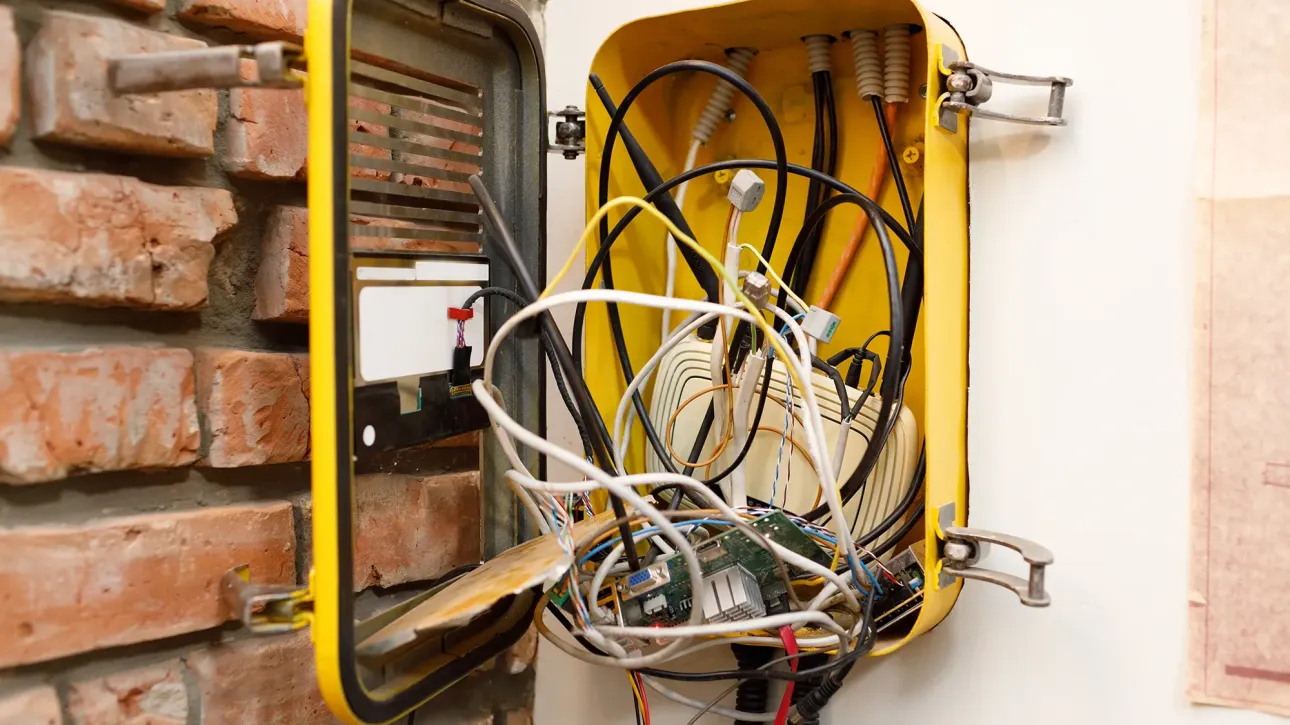
Inspectors note workmanship quality. A plumbing repair that stops the leak but leaves exposed connections, improper materials, or code-non-compliant configurations will be flagged. An electrical repair completed without proper wire connectors or box fill compliance will be noted. Visible evidence of rushed or substandard work gives buyers ammunition to reopen negotiations.
This is why using licensed contractors matters even for repairs that seem simple. Licensed contractors understand code requirements and workmanship standards. Unlicensed work or rushed DIY repairs are easy for an experienced inspector to identify.
Permit Compliance
For repairs that required permits , panel replacements, HVAC system replacements, structural work , inspectors may ask to see permit documentation. If a permit was required and not pulled, the inspector will note it. That becomes a new finding, not just a verification of the old one.
Confirm with your contractor before work begins whether a permit is required. Do not let a contractor talk you out of pulling a permit to save time. The permit process exists to protect you, and skipping it creates a problem that shows up exactly when you do not want it , at re-inspection.
Scope Confirmation
The inspector will reference the original inspection report and the agreed repair list. If a repair was agreed to but not completed, that is an immediate re-inspection failure. If a repair was partially completed , the leak was stopped but the damaged material beneath it was not addressed , the inspector may flag it as incomplete.
Before scheduling re-inspection, compare your documentation against the agreed repair list item by item. Every item that was agreed to needs a completion document. If anything was not completed, address it with the buyer before the re-inspection happens , not after.
Common Re-Inspection Failure Points
Repairs Made But Not Verified
The most avoidable re-inspection failure is a contractor who completed the repair but did not test it before leaving. The GFCI was installed but not reset and tested. The plumbing connection was tightened but not run under pressure for several minutes. The HVAC was recharged but not run through a full cycle.
When scheduling contractor work, include a requirement that the contractor test and verify every repair before leaving the property. This is standard practice for quality contractors. If a contractor resists testing their own work, that tells you something important about how they operate.
Using Unlicensed or Unqualified Labor
Experienced inspectors can identify unlicensed work. Improper wire connectors. Non-standard materials. Repairs that are technically functional but do not meet code. These findings create new issues at re-inspection even when the original problem was addressed.
Every repair that is going to be verified at re-inspection should be completed by a contractor licensed for that specific trade in Texas. The license number should be included in your documentation package. Inspectors and lenders both look for it.
Incomplete Repairs
A repair that addressed the symptom but not the cause will often be flagged at re-inspection. A roof leak repair that sealed the entry point but did not address the damaged decking beneath it. A plumbing repair that stopped the visible drip but left corroded supply lines that are about to fail. A drywall patch over water damage that was not first dried and treated.
When contractors complete post-inspection repairs, they should assess whether the repair fully addresses the finding , not just the visible symptom. If additional scope is needed, that conversation happens before re-inspection, not after.
New Findings in Re-Inspected Areas
When an inspector returns to an area where repairs were made, they sometimes observe adjacent conditions that were not visible or accessible during the original inspection. A wall opened for plumbing repairs may reveal water damage that was hidden before. A panel replacement may expose wiring issues in adjacent circuits.
You cannot fully prevent this, but you can prepare for it. Before re-inspection, have your contractor do a final walkthrough of all repair areas and note anything that looks like it could draw additional attention. If something significant is observed, address it proactively before the inspector arrives.
How to Prepare for Re-Inspection
Collect All Documentation Before the Re-Inspection Date
Every completed repair needs a document. Contractor name, license number, scope of work, completion date. Organize these by the original inspection item number or description so they are easy to reference.
Send the complete documentation package to the buyer’s agent before the re-inspection. Do not wait for the re-inspector to ask for it on site. A buyer who receives organized documentation before the visit comes in with a different mindset than a buyer who is waiting to see if repairs were actually done.
Do a Pre-Re-Inspection Walkthrough
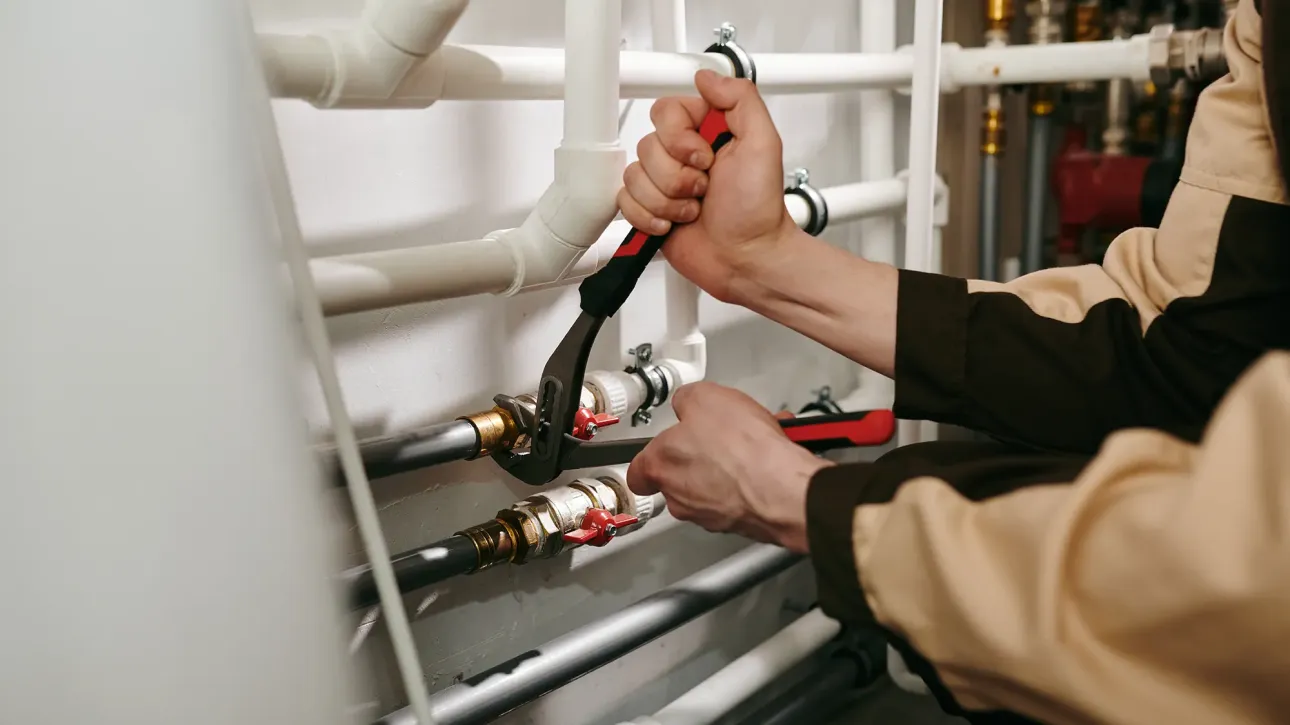
Before the inspector arrives, walk through the home and test every repair yourself. Plug a phone charger into each GFCI outlet and test the reset button. Run water at each repaired plumbing fixture for several minutes. Run the HVAC through a cycle. Test the garage door auto-reverse. Open and close every repaired window and door.
If anything does not work correctly, you have time to call the contractor back before the inspection. Finding a failed repair yourself is far better than having the re-inspector find it.
Be Transparent About What Was Not Repaired
If certain items were addressed with a credit rather than a physical repair, make sure that is clearly documented and communicated. The re-inspector should not be checking items that were negotiated as credits , but if the scope of what was repaired vs. credited is unclear, the inspector may check everything.
Your agent should confirm with the buyer’s agent exactly which items will be verified at re-inspection. Clear communication about scope prevents misaligned expectations that create conflict on re-inspection day.
Have Contractor Contact Information Ready
Re-inspectors sometimes have questions about how a repair was made or what materials were used. Having the contractor’s contact information available , and letting the contractor know re-inspection is happening , allows questions to be answered quickly without creating doubt about the quality of the work.
What Happens If Something Fails Re-Inspection
A failed re-inspection item is not automatically a deal-killer. It is a complication that needs to be addressed quickly.
If a repair fails verification, contact the contractor immediately. Most quality contractors will return to correct their work , especially if the failure is a verification issue rather than a fundamental workmanship problem. Get the correction scheduled and completed before the buyer escalates.
If a new finding surfaces at re-inspection, evaluate it the same way you evaluated the original inspection findings. Is it lender-required? Is it a legitimate defect? Or is it an informational comment that does not require action? Do not agree to address new findings without understanding what they actually are.
The worst outcome is a closing delay because a re-inspection failure was not communicated or addressed quickly. If something fails, tell your agent immediately. A failed re-inspection that is handled transparently and corrected within 48 hours rarely kills a deal. One that is hidden or ignored until the last moment often does.
How Fix Before Closing Prepares Sellers for Re-Inspection
When we coordinate post-inspection repairs, we build re-inspection preparation into the process. Contractors are required to test and verify repairs before leaving. We collect documentation as each repair is completed rather than at the end. We do a final documentation review before re-inspection to confirm every agreed item has a completion record.
We also flag any observations from the repair process that might surface at re-inspection , adjacent conditions the contractor noticed, permit items that need to be on file, anything that could create a question during the buyer’s follow-up visit.
Sellers who complete repairs through Fix Before Closing go into re-inspection with organized documentation, verified repairs, and a clear understanding of what was done and why. That preparation is what makes re-inspections straightforward.
The Bottom Line on Re-Inspection
Re-inspection is not a formality. It is a verification process conducted by a professional whose job is to confirm that repairs were done correctly by qualified people. The sellers who pass re-inspection cleanly are the ones who used licensed contractors, collected proper documentation, and verified their own repairs before the inspector arrived.
The sellers who run into re-inspection problems are the ones who treated it as a box to check rather than a genuine evaluation of the work that was done.
Repairs scheduled through Fix Before Closing are built to pass re-inspection the first time. If you have repairs coming up and want them handled correctly from the start, submit your inspection report and we will get the right contractors scheduled.
👉 Submit repair requests anytime here: Repair Request Form
📞 Contact us today:
-
- Email: manager@fixbefore.com
- Phone: 817-438-0079
- Email: manager@fixbefore.com
Re-inspection does not have to be a source of anxiety. The right repairs, done right, pass the first time.